
Gardening is one of the most rewarding hobbies you can take up. It connects you to nature, fills your home with beauty, and can even help put fresh food on the table. However, getting started can feel a little overwhelming. There are so many products on the market, and it is hard to know what you really need. Choosing the right home gardening equipment makes a huge difference to your results and your overall enjoyment.
This guide will walk you through everything you need to know. We will look at the key factors to consider, the must-have items for beginners, and how to match your tools to your garden type. Whether you have a large backyard or a small balcony, this article has practical advice for you.
Why the Right Tools Matter
Many gardeners underestimate the importance of using the right tools. Using the wrong equipment makes gardening harder and less enjoyable. It can also damage your plants and your soil. On the other hand, the right tools save time and effort. They help you work more efficiently and get far better results.
Additionally, good tools last for many seasons. When you invest wisely, you spend less money over time. Cheap tools break quickly and often need replacing after just one season. Therefore, it pays to do your research before you head to the shops.
The type of garden you have also shapes your choices. A raised bed garden requires different tools than an in-ground vegetable patch. Similarly, container gardening on a patio has its own unique requirements. Let us explore what to look for when choosing your tools this season.
Know Your Garden Before You Shop
Before you buy anything, take a close look at your outdoor space. Consider the size of your garden. Think about the type of soil you have. Ask yourself whether you will be growing flowers, vegetables, or both. These questions will guide your buying decisions and help you avoid unnecessary purchases.
For example, clay-heavy soil requires stronger and more durable digging tools. Sandy, loose soil is much easier to work with. Raised beds often need smaller, more precise tools. Therefore, understanding your space first will prevent you from wasting money on things you simply do not need.
Additionally, think about how much time you want to spend in the garden each week. If gardening is a casual weekend hobby, a basic starter set will serve you well. However, if you plan to garden intensively throughout the season, you may want to invest in professional-grade tools from the start.
Essential Tools Every Home Gardener Needs
No matter the size of your garden, some tools are truly universal. Here are the essentials that every gardener should own:
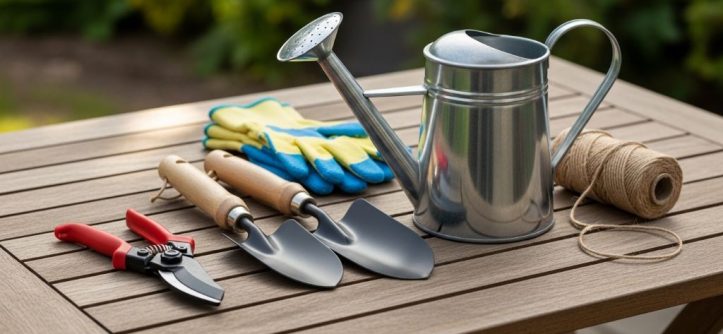
- A hand trowel for planting and transplanting seedlings
- A garden fork for loosening and aerating soil
- A hoe for weeding and breaking up the surface of your beds
- A watering can or hose with an adjustable nozzle
- A pair of pruning shears for trimming plants and harvesting produce
- A kneeling pad and garden gloves to keep you comfortable while working
These items form the foundation of any good kit. Once you have these basics covered, you can build your collection based on your specific gardening goals and the seasons ahead.
Choosing Tools for Small Gardens
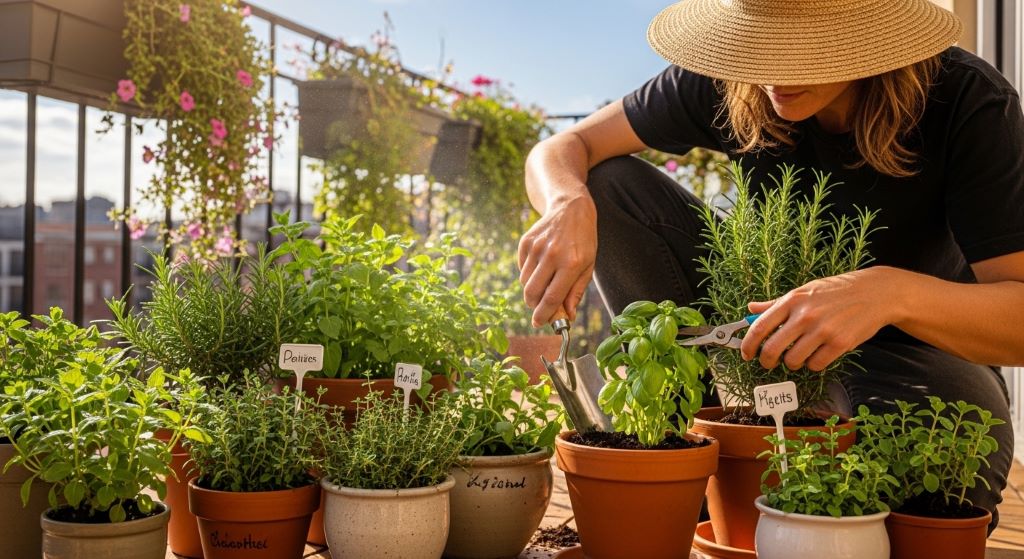
Not everyone has a large outdoor space to work with. Many people garden on balconies, in courtyards, or in compact raised beds. Fortunately, there are excellent tools for small gardens specifically designed for tighter spaces and more detailed work.
When space is limited, compact and lightweight tools are your best friends. A short-handled trowel gives you better control in crowded containers. A narrow weeder lets you get between closely spaced plants without disturbing the roots. Additionally, foldable or collapsible tools are a smart choice because they take up far less storage space.
Precision also matters more in a small garden. Every inch counts, so you want tools that allow you to work carefully and confidently. Long-nosed pruners, mini rakes, and slender dibbers all help you plant and tend with great accuracy. These small but mighty tools can make a big difference in a compact space.
Furthermore, weight is a key consideration for balcony gardeners. Heavy tools are difficult to carry up stairs or use in confined areas. Look for tools made from lightweight materials such as aluminium or high-quality reinforced plastic. These can handle everyday gardening tasks without straining your arms or wrists.
Quality vs. Price: What Should You Spend?
One of the biggest questions new gardeners face is how much to spend. There is a wide price range for gardening tools, from budget options to premium professional products. The good news is that you do not have to spend a fortune to get genuinely good tools.
However, do not let price be your only guide. The cheapest tools are often made from low-quality materials that bend, rust, or break after one season. On the other hand, mid-range tools from reputable brands often offer excellent durability and comfort at a very reasonable price.
When shopping, look for these quality markers:
- Stainless steel or carbon steel heads for strength and rust resistance
- Solid-forged construction rather than pressed metal
- Ergonomic handles that reduce hand and wrist strain
- A manufacturer warranty or satisfaction guarantee
Spending a little more upfront can save you money and frustration later. Additionally, well-made tools are safer to use. They are less likely to slip, snap, or cause injury during a busy gardening session.
How to Choose Tools That Fit Your Body
Comfort matters as much as quality. Gardening involves repetitive movements, and using tools that do not suit your body can lead to aches and injuries over time. Therefore, it is important to try tools before you buy them whenever possible.
Pay close attention to handle length. Taller gardeners may need longer handles to avoid bending over too far. Shorter gardeners may find that standard handles are too long and awkward to manoeuvre. Many brands now offer tools in multiple sizes, so there is no reason to settle for something uncomfortable.
Handle material also affects comfort. Wooden handles have a warm, classic feel and absorb vibration well. Fibreglass handles are lighter and more durable in wet conditions. Cushioned rubber grips provide extra comfort during long gardening sessions. Choose the material that feels best in your hand.
Additionally, consider the overall weight of each tool. If you have limited strength or joint problems, a lighter tool will serve you better. There are many ergonomic designs available today that make gardening accessible for people of all ages and physical abilities.
Seasonal Considerations for Tool Selection
The time of year affects what tools you need most. In spring, digging and planting tools take centre stage. You will spend a lot of time preparing beds, turning soil, and setting out seedlings. Therefore, prioritise spades, forks, trowels, and transplanting tools at the very start of the growing season.
Summer brings a different set of tasks. Watering becomes critical during hot weather. A good hose, adjustable nozzle, or soaker system will see heavy use in the warmer months. Weeding tools also get a solid workout, as warm weather encourages weed growth. Having a reliable hoe and hand weeder will help you stay on top of this challenge.
Autumn is the season for harvesting and tidying up. Pruning shears, loppers, and garden rakes become essential at this time. You will also want to start thinking about storage for your tools before winter arrives. Proper off-season storage protects your investment and ensures your tools are ready and reliable when spring returns.
Caring for Your Tools to Make Them Last
Buying good tools is only half the job. Taking care of them is equally important. With proper maintenance, a quality set of home gardening equipment can last for many decades. This saves you money and reduces unnecessary waste.
After each use, clean the soil off your tools with a stiff brush or damp cloth. Dry them thoroughly before storing to prevent rust from forming. Occasionally apply a light coat of oil to metal parts to keep them from corroding. Sharpen cutting tools like hoes and shears regularly so they always stay effective.
Store your tools in a dry shed or garage. Hanging them on a wall rack keeps them off the ground and prolongs their life considerably. Avoid leaving tools outside overnight, as exposure to moisture will shorten their lifespan significantly and lead to costly replacements.
Additionally, replace worn parts rather than whole tools when possible. Many reputable brands sell replacement handles and heads separately. This is a cost-effective and eco-friendly way to keep your kit performing at its best season after season.
Where to Buy Your Garden Tools
You have several options when it comes to buying tools. Garden centres and home improvement stores let you handle tools in person before committing to a purchase. This is a great advantage, as you can test the weight, grip, and feel of each item before you spend any money.
Online retailers offer a wider selection and often better prices. However, you cannot try before you buy. Therefore, reading customer reviews carefully can help you make a more informed choice. Look for reviews from gardeners who have a similar garden type to yours, as their experience will be most relevant.
Second-hand tools are also worth considering, especially if you are on a tight budget. Many experienced gardeners sell high-quality tools at a fraction of the original price. Charity shops, market stalls, and online selling platforms can be excellent sources. Just check for signs of heavy rust, cracked handles, or bent metal before purchasing.
Conclusion
Choosing the right tools for your garden does not have to be a complicated or expensive process. By understanding your garden type, your physical needs, and your budget, you can put together a kit that truly works for you and your space.
To summarise the key points: always assess your garden before shopping, focus on quality over price, choose tools that suit your body, and care for your tools properly throughout the year. Whether you are searching for tools for small gardens or outfitting a larger plot, these principles will always serve you well.
Additionally, remember that building your toolkit is a gradual process. Start with the essentials, and add more specialised tools as your gardening skills and ambitions grow. With the right tools in hand, this season can be your most productive and enjoyable one yet. Happy gardening!
Frequently Asked Questions
1. What are the most important tools for a beginner gardener?
For beginners, the essentials are a hand trowel, a garden fork, a hoe, pruning shears, and a watering can. These items cover the most common gardening tasks and give you a strong foundation to build from as your experience grows.
2. How do I choose tools for a very small garden or balcony?
For compact spaces, choose short-handled, lightweight, and foldable tools. Precision matters more in small areas, so look for narrow weeders, mini rakes, and slim trowels. Aluminium or lightweight composite tools are ideal for balcony gardening where every bit of weight and space matters.
3. How much should I spend on garden tools?
You do not need to spend a great deal to get started. Mid-range tools from trusted brands offer a great balance of quality and affordability. Avoid the very cheapest options, as they tend to break quickly. Spending a little more upfront saves you money and frustration in the long run.
4. How do I keep my garden tools in good condition?
Clean your tools after every use, dry them thoroughly, and store them somewhere sheltered. Oil metal parts occasionally to prevent rust, and sharpen cutting edges regularly. Hanging tools on a wall rack keeps them organised and prolongs their useful life considerably.
5. Can I buy second-hand garden tools?
Yes, second-hand tools can represent excellent value for money. Look for well-known brands at charity shops, online marketplaces, or local sales. Check for signs of deep rust, cracked handles, or bent metal before buying. A well-maintained second-hand tool can easily outlast a poor-quality new one.
Related Topics:
How to Use a Garden Weeding Tool to Maintain a Healthy Lawn
How to Grow Native Plants Inside a Resurrection Garden Setup

Leave a Reply