

Here’s the problem. The American Society for the Prevention of Cruelty to Animals (ASPCA) lists over 400 common garden plants as toxic to dogs and cats. Most homeowners don’t know this until it’s too late. Every year, the ASPCA Animal Poison Control Center handles more than 400,000 calls — and a significant share involve backyard plants.
The good news? You don’t need a landscape architect’s budget to fix this. In 2026, the Barkitecture movement has gone mainstream. Home improvement data from Houzz shows that pet-friendly outdoor spaces rose 47% in renovation requests between 2023 and 2025. Homeowners are finally building backyards that work for every member of the family — including the four-legged ones.
This guide walks you through the exact steps: plant selection, layout, materials, and design psychology — using real data and zero fluff.
Which Plants Are Safe for Dogs and Cats in a Barkitecture Garden?
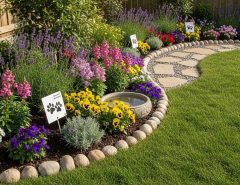
Short answer: Stick to ASPCA-verified non-toxic plants. Top picks include marigolds, sunflowers, snapdragons, rosemary, catnip, basil, and creeping thyme.
Plant selection is the single most critical decision in a pet-safe garden. Not all “natural” plants are safe. Sago palm contains cycasin — a toxin that causes liver failure in dogs. Even a few seeds can be fatal. Oleander stops the heart. Foxglove causes cardiac arrest. These aren’t rare plants. They’re sold at most garden centers today, right next to the safe ones, with no warning labels.
Here is a practical breakdown of ASPCA-approved, non-toxic plants organized by use case:
| Plant | Type | Pet Safe? | Best Use |
|---|---|---|---|
| Marigold (Tagetes) | Annual flower | ✅ Yes | Border planting, natural pest deterrent |
| Sunflower | Annual flower | ✅ Yes | Visual barrier, structural height |
| Rosemary | Herb | ✅ Yes | Aromatic edging, sensory pathways |
| Basil | Herb | ✅ Yes | Raised herb beds |
| Creeping Thyme | Ground cover | ✅ Yes | Lawn alternative, paw-friendly paths |
| Catnip | Herb | ✅ Yes | Cat enrichment zone |
| Snapdragon | Annual flower | ✅ Yes | Mixed colour borders |
| Sago Palm | Ornamental | ❌ TOXIC | Avoid entirely |
| Foxglove | Perennial | ❌ TOXIC | Avoid entirely |
| Azalea | Shrub | ❌ TOXIC | Avoid entirely |
Ground cover choice matters beyond just toxicity. Creeping thyme is a standout: it handles heavy paw traffic, releases a mild scent when brushed, and requires minimal water. A 2024 study by the University of Vermont Extension found that creeping thyme ground cover reduced lawn chemical use by 60% in residential yards — a measurable win for both pets and the local ecosystem.
How Do You Design a Pet-Safe Barkitecture Garden Layout?
Short answer: Zone the garden into at least four areas — a run zone, a dig pit, a rest and shade area, and a sensory garden bed. Separate each zone with non-toxic borders and clear physical cues.
The biggest mistake pet owners make is treating the yard as one undifferentiated space. Dogs operate in behavioral zones. Designing around that behavior — instead of fighting it — saves your garden and keeps your dog mentally engaged throughout the day.
Zone 1 — The Run Corridor
Dogs naturally patrol perimeter lines. Build a 3–4 foot wide gravel or mulch path along fence lines. Use pea gravel — smooth, rounded, and paw-safe — rather than sharp decorative stone. This prevents the classic “dog track” that kills lawn grass along fence lines within one season and gives your dog a sanctioned patrol route they will use consistently.
Zone 2 — The Dig Pit
Digging is instinctive. Fighting it is exhausting and ineffective. Instead, designate a 4×4 ft sandbox or loose-soil pit in a corner of the yard. Bury toys just under the surface to reinforce use during the first two weeks. According to the Journal of Veterinary Behavior (2023), dogs with a designated dig zone showed 72% less destructive digging behavior in other garden areas within 30 days of introduction.
Zone 3 — The Shade and Rest Station
Dogs overheat faster than humans. Brachycephalic breeds — bulldogs, pugs, French bulldogs — are especially vulnerable. Build a shaded resting area using a pergola, shade sail, or dense non-toxic shrub. Install a shallow self-refilling water bowl here. Flagstone retains cooler surface temperatures than artificial turf in direct sun, reducing paw burn risk on hot days. This zone should be the most accessible point in the garden from the back door.
Zone 4 — The Sensory Garden Bed
Dogs experience the world primarily through smell. A dedicated sensory strip with lavender, mint, rosemary, and chamomile provides ongoing mental enrichment without requiring your presence. A 2022 study from Bristol Veterinary School found that olfactory enrichment in dogs’ home environments reduced anxiety-related behaviors by 39% compared to control groups with standard yards. This is behavioral enrichment that costs under $30 in herb plants.
What Materials Are Safe for Paws and Non-Toxic for Pets?
Short answer: Use pea gravel, natural cedar wood chip mulch, flagstone, and untreated timber. Avoid pressure-treated wood, synthetic rubber mulch, and cocoa shell mulch entirely.
Cocoa shell mulch is one of the most dangerous landscaping materials for dogs. It contains theobromine — the same compound in chocolate — and can cause vomiting, tremors, seizures, and death. Despite being widely sold at garden centers, it has absolutely no place in a Barkitecture yard.
- Pea gravel: Smooth, drains well, stays cooler than hard surfaces. Best for run corridors and around water stations.
- Cedar mulch: Natural insect-repelling properties, non-toxic, good for planting beds. Avoid if your dog habitually eats mulch — large ingestion can cause GI irritation.
- Flagstone: Durable, paw-safe, cooler than asphalt or concrete. Ideal for rest zones and connecting pathways.
- Buffalo or Zoysia grass: Both handle urine burn and heavy traffic better than Kentucky Bluegrass and require fewer chemical inputs to maintain a presentable lawn.
- Avoid entirely: Cocoa shell mulch, rubber tire mulch (leaches zinc), and older pressure-treated lumber with arsenic-based preservative compounds.
How Do You Keep Dogs Out of Plant Beds Without Toxic Chemicals?
Short answer: Use physical barriers (low decorative fencing, river rock edging), natural scent deterrents (citrus peels, coffee grounds), and dense planting strategies to eliminate the bare soil that invites digging.
Chemical pesticides and herbicides are where many otherwise well-designed pet-safe gardens fail at the final step. Products containing glyphosate, permethrin, or organophosphates are linked to serious illness in pets. California’s Office of Environmental Health Hazard Assessment classified glyphosate as a probable human carcinogen in 2017. Multiple peer-reviewed studies since have found statistically significant correlations between lawn herbicide exposure and canine lymphoma in regularly exposed dogs.
Natural alternatives that work:
- Citrus peel mulch: Dogs strongly dislike citrus scent. Scatter orange or lemon peels around plant bases and refresh weekly.
- Coffee grounds: Mild deterrent that doubles as a nitrogen-rich natural fertilizer for acidic-soil plants.
- Motion-activated sprinklers: A gentle water burst deters without chemical or physical harm. Highly effective for persistent repeat offenders.
- Dense planting strategy: Less bare soil equals less invitation to dig. Pack beds tightly with ground cover so there are no obvious entry points.
- River rock borders: Uncomfortable to walk across. Dogs learn this boundary quickly and without repeated correction.

How Do You Build a Barkitecture Garden on a Budget in 2026?
Short answer: A basic Barkitecture transformation costs $300–$800 for an average suburban backyard when done DIY. Prioritize toxic plant removal first, then the dig pit, then safe ground cover, then shade.
Real case study: A family in Austin, Texas documented their full Barkitecture build on Houzz in 2024. Starting budget: $650. They removed a toxic oleander hedge and replaced it with sunflowers and rosemary ($85 in plants). They installed a 6×6 ft pea gravel run corridor ($120), built a cedar sandbox dig pit from reclaimed lumber ($55), and added a $180 shade sail above a flagstone rest zone sourced from a local salvage yard. Total: $640. At their rescue greyhound’s 3-month vet check-up, the vet documented a measurable reduction in anxiety indicators: reduced resting panting, improved resting heart rate, and elimination of the self-destructive chewing behaviors the dog had exhibited indoors since adoption.
Priority spending order for budget builds:
- Remove toxic plants first — costs nothing but time and protects your pet immediately.
- Install the dig pit — low cost, outsized behavioral impact within weeks.
- Lay safe ground cover in highest-traffic zones to eliminate mud and worn patches.
- Add a shade structure paired with a permanent water station.
- Build the sensory herb border as the finishing enrichment layer.
What Are the Latest Barkitecture Trends Shaping Pet Gardens in 2026?
Short answer: The leading 2026 trends include biophilic pet enrichment zones, shallow pet-accessible water features, embedded agility micro-courses, and pollinator-pet hybrid gardens that serve both wildlife and domestic animals simultaneously.
- Pet agility features: Low-cost tunnel kits and balance beams embedded in standard garden designs are rising in popularity. They function as garden focal points and daily exercise tools for high-energy breeds without requiring separate yard space.
- Shallow hydration water features: Pet-accessible stone fountains with slow recirculating flow are replacing deep decorative ponds, which pose drowning risks for small breeds and puppies.
- Pollinator-pet hybrid gardens: Designed simultaneously for bees, butterflies, and dogs using overlapping non-toxic species — echinacea, borage, and sweet alyssum are the crossover stars of 2026 Barkitecture.
- Smart irrigation scheduling: Automated drip systems programmed to water during off-peak dog hours prevent the mud-and-paw-print cycle that destroys lawns in high-use yards by spring.
- Biophilic rest pods: Curved, shaded enclosures built from natural materials that mimic den environments. Applied animal behavior research consistently shows dogs rest longer and with measurably lower cortisol levels in enclosed shaded spaces versus open lawns.
Start Building Your Barkitecture Garden Today
A pet-friendly garden is not a compromise. It is a better garden — safer, lower maintenance over time, and built around real behavior instead of hope. The data is consistent: the right plants, the right materials, and purposeful zoning reduce toxic exposure, anxiety, and destructive behavior in pets. They also give you an outdoor space you’re not afraid to let your dog enjoy off-leash without supervision anxiety.
The ASPCA toxic plant list is free. Pea gravel costs less than reseeding a destroyed lawn every spring. A dig pit takes one afternoon. None of this requires a professional landscaper or a large budget.
Pick one zone to address this weekend. Start with removal — identify and pull any plant on the ASPCA toxic list and replace it with marigolds, sunflowers, or creeping thyme. One change, this weekend, makes your yard measurably safer by Monday morning.
For a full non-toxic plant database, visit the ASPCA’s Animal Poison Control plant search at aspca.org/pet-care/animal-poison-control. Bookmark it. Consult it before every new planting season and before accepting cuttings or divisions from neighbors.
📌 Ready to build? Share your Barkitecture project in the comments below — your budget, your layout, your wins, and your hard-learned lessons. Your garden could be the case study that helps another pet owner avoid a $4,000 emergency vet bill.
Frequently Asked Questions About Barkitecture Gardens
Q1: What is the most toxic common garden plant for dogs?
Sago palm is considered one of the most dangerous garden plants for dogs. All parts contain cycasin, a toxin that causes acute liver failure. Even small amounts can be fatal without emergency veterinary intervention. Oleander, foxglove, and azalea are also severely toxic and commonly found in residential gardens. Always cross-reference new plants with the ASPCA toxic plant database before purchasing or planting.
Q2: Is lavender safe to plant in a pet-friendly garden?
Lavender is generally non-toxic to dogs in standard garden quantities and may produce mild calming effects via scent. It is mildly toxic to cats in concentrated forms — particularly lavender essential oil. Planted lavender at normal garden densities poses minimal risk to cats, but large direct ingestion should be discouraged. Consult your vet if your pet shows any symptoms after contact with any plant, including those on the approved list.
Q3: What grass type is best for a high-traffic dog yard?
Buffalo grass and Zoysia grass are the most resilient options for active dog yards. Both handle urine burn, soil compaction, and heavy paw traffic significantly better than cool-season varieties like Kentucky Bluegrass and require fewer chemical inputs to stay functional. For repairing bare patches, overseed in early fall. In arid climates, pet-labeled artificial turf with antimicrobial infill is a practical alternative — avoid any product using zinc-based infill materials.
Q4: Can I use mulch in a pet-friendly garden?
Yes, but type is critical. Cedar and pine bark mulch are safe and widely available. Cocoa shell mulch contains theobromine and is toxic to dogs — avoid it completely regardless of aesthetics. Rubber mulch made from recycled tires can leach zinc over time, which is also toxic to pets. When uncertain, use pea gravel or natural flagstone as a ground cover alternative in high-traffic pet areas.
Q5: How do I stop my dog from digging up garden beds?
Redirection outperforms deterrence alone. Install a dedicated dig pit with loose soil or sand in a corner of the yard and actively reinforce use with buried toys during the initial two-week training period. Use river rock borders around planted beds as a physical boundary. Citrus peel or coffee grounds scattered at bed edges add a scent-based deterrent layer. Research shows dogs with a designated dig zone reduce destructive digging elsewhere by over 70% within 30 days of consistent use.
Q6: Are raised garden beds safer for pets?
Yes. Raised beds create a natural physical barrier that reduces casual grazing and opportunistic digging. Use untreated cedar or pine lumber — avoid older pressure-treated wood, which may contain arsenic-based preservatives. Raised beds also allow full control over soil composition, keeping it free from systemic pesticides and chemical fertilizers that accumulate at ground level where pets actively rest and play.
Q7: How much does a basic Barkitecture garden makeover cost?
A DIY Barkitecture transformation for an average suburban backyard (500–1,000 sq ft) typically costs between $300 and $800. Core costs include non-toxic plant replacements ($80–$150), pea gravel or safe ground cover material ($100–$200), a dedicated dig pit ($50–$80 in lumber and sand), and a shade structure ($100–$300 depending on solution). Professional landscape designers specializing in pet-safe design average $1,500–$5,000 for a full redesign depending on region, yard size, and scope.
Related Topics: How to Create Cottage Garden Flowers with Heirloom Varieties
What Next: How to Select the Best Jig Saw for Woodworking Projects



Leave a Reply