
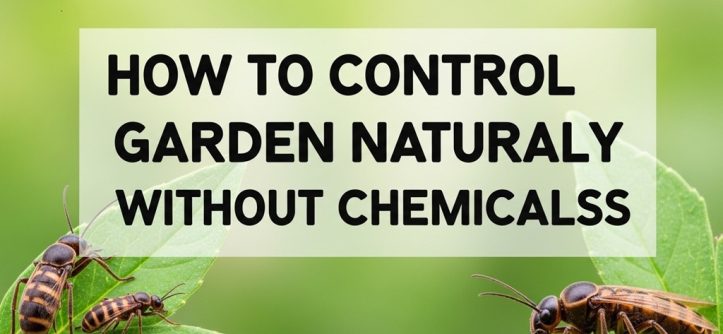
Controlling garden pests without chemicals is essential for maintaining a healthy, sustainable garden. Not only does it protect beneficial insects and pollinators, but it also ensures the safety of pets, children, and the environment. In this article, we will explore natural methods to keep your garden free from pests and promote a thriving, eco-friendly garden.
In this article, you’ll learn practical strategies for controlling pests naturally, ranging from simple household remedies to more advanced gardening techniques. By implementing these strategies, you can achieve a pest-free garden without resorting to harmful chemical pesticides.
What Are the Most Common Garden Pests and How Can You Identify Them?
Answer: The most common garden pests include aphids, slugs, snails, caterpillars, and beetles. Each pest has distinct signs of damage and unique ways to spot them.
Understanding Common Garden Pests
- Aphids: Small, soft-bodied insects that often cluster on the undersides of leaves, sucking out plant sap and causing yellowing or wilting of the plant.
- Slugs and Snails: These creatures leave behind shiny, silvery trails on leaves and stems, which are usually a sign of them feeding on tender plant tissue.
- Caterpillars: These pests chew large holes in leaves and can quickly defoliate plants. They are usually found on the underside of leaves or in webbing.
- Beetles: Beetles often cause damage by eating holes in leaves or burrowing into roots, especially during the spring and summer months.
Why Should You Avoid Chemical Pesticides in Your Garden?
Answer: Chemical pesticides can harm beneficial insects, contaminate water sources, and pose health risks to humans and animals. They also disrupt the natural ecosystem.
The Dangers of Chemical Pesticides
Chemical pesticides may seem like a quick fix, but they can have long-term negative effects. Here are some key reasons to avoid them:
- Harm to Pollinators: Bees and butterflies, which are essential for plant pollination, are often killed by chemical pesticides.
- Contamination of Soil and Water: Pesticides can leach into the soil and water, harming both the plants and the environment.
- Health Risks: Some chemicals in pesticides have been linked to health problems in humans, including neurological issues and cancer.
What Are the Best Natural Ways to Control Garden Pests?
Answer: Natural pest control methods include using beneficial insects, introducing natural predators, applying organic sprays, and implementing physical barriers.
1. Beneficial Insects
Introducing beneficial insects to your garden is a highly effective way to control pests. These insects are natural predators of common garden pests.
- Ladybugs: These voracious predators feed on aphids and other soft-bodied insects.
- Lacewings: Lacewing larvae eat aphids, caterpillars, and other pests.
- Predatory Beetles: Beetles such as ground beetles and rove beetles help control slugs, aphids, and other garden pests.
2. Natural Sprays
Organic sprays made from ingredients like neem oil, garlic, or hot pepper can deter pests without harming your plants. Here are a few examples:
- Neem Oil: Acts as a repellent and disrupts the feeding and reproductive cycles of pests.
- Garlic Spray: A mixture of crushed garlic and water can repel aphids, mosquitoes, and caterpillars.
- Hot Pepper Spray: Hot peppers mixed with water create a natural deterrent for many types of insects, including aphids and beetles.
3. Physical Barriers
Physical barriers are an excellent way to protect your plants from pests. Here are some common types:
- Row Covers: These lightweight fabrics create a barrier that keeps pests away while still allowing sunlight and water to reach plants.
- Mesh Screens: Placing mesh screens over plants can prevent flying insects like aphids and whiteflies from landing on them.
- Copper Tape: Slugs and snails are deterred by copper, making copper tape an effective way to keep them out of garden beds.
4. Natural Predators
Encouraging natural predators in your garden is another great way to manage pests. These include:
- Frogs and Toads: Frogs and toads love to eat slugs, insects, and other pests.
- Birds: Many birds feed on insects and can help control pest populations.
- Spiders: While some people may not appreciate them, spiders are great natural pest control agents, preying on a wide variety of insects.
How Can You Use Companion Planting to Deter Pests?

Answer: Companion planting is a strategy that involves planting certain types of plants together to naturally repel pests.
Popular Companion Plants for Pest Control
Some plants naturally repel pests and can be used to protect other plants. For example:
- Marigolds: Known to repel aphids, nematodes, and whiteflies.
- Chives: Help deter aphids, beetles, and other insects while promoting plant health.
- Garlic and Onions: These plants are particularly effective at repelling pests like aphids and caterpillars.
What Are Some Homemade Remedies for Pest Control?
Answer: You can make your own natural pest control remedies at home using common ingredients like vinegar, soap, and essential oils.
Effective Homemade Pest Control Recipes
- Vinegar Solution: Mix vinegar with water to create a natural repellent for ants, flies, and other pests.
- Soap Spray: A mixture of dish soap and water can kill aphids, mealybugs, and other pests on contact.
- Essential Oils: Oils such as peppermint, citronella, and lavender can help deter a variety of insects when sprayed on plants.
Conclusion
By using natural methods like beneficial insects, organic sprays, physical barriers, and companion planting, you can control pests effectively while keeping your garden healthy and safe. Remember, natural pest control is an ongoing process that requires patience and consistency. However, the benefits are well worth the effort—your plants will thrive, and you’ll be doing your part to protect the environment.
Start by implementing one or two of these techniques today, and over time, you’ll see fewer pests and more vibrant plants in your garden. If you found these tips helpful, check out our other articles on sustainable gardening practices!
FAQ Section
1. What is the most effective natural pest control method?
Answer: The most effective natural pest control methods include using beneficial insects, natural sprays like neem oil, and physical barriers such as row covers.
2. How can I stop slugs from eating my plants?
Answer: To stop slugs, use copper tape, beer traps, or introduce natural predators like frogs or birds to your garden.
3. Is neem oil safe for my plants?
Answer: Yes, neem oil is safe for most plants. It acts as both a repellent and an insecticide, disrupting the feeding and breeding of pests.
4. Can companion planting really help control pests?
Answer: Yes, companion planting can significantly help control pests by repelling harmful insects and attracting beneficial ones.
5. Are there any side effects to using homemade pest control remedies?
Answer: Homemade remedies like vinegar or soap sprays are generally safe, but it’s important to test them on a small area of your plants first to ensure they don’t cause damage.
6. How often should I apply natural pest control treatments?
Answer: Natural treatments should be applied regularly, especially after rain, or when you notice pests beginning to appear.
7. Do I need to worry about pests in the winter?
Answer: While many pests are less active in winter, some pests, like aphids and slugs, can still cause damage, so it’s important to monitor your garden year-round.
Read More Also: How to Control Garden Pests Naturally Without Chemicals
Find out: How to Create Cottage Garden Flowers with Heirloom Varieties


Leave a Reply