

Cottage gardens evoke nostalgic charm with overflowing blooms and romantic appeal. Heirloom flower varieties bring authentic character to these informal landscapes. These time-tested plants offer superior fragrance, unique colors, and historical connections modern hybrids cannot replicate.
Creating a cottage garden with heirloom varieties requires understanding traditional plant selections and natural growing methods. This guide provides practical steps for designing, planting, and maintaining an authentic cottage garden filled with heritage flowers.
Understanding Cottage Garden Style and History
Traditional cottage gardens originated in England during the 1400s. Working-class families grew flowers alongside vegetables and herbs for practical purposes. Beauty emerged naturally from this functional approach to gardening.
The cottage garden aesthetic celebrates abundance over formality. Plants grow in seemingly random arrangements, creating layers of color and texture. However, successful cottage gardens follow underlying principles despite their casual appearance.
Heirloom varieties suit cottage gardens perfectly because they’re the original plants used in historical landscapes. These open-pollinated flowers have passed through generations unchanged. Therefore, they maintain characteristics that modern hybrids often lose through selective breeding.
Modern cottage gardens blend historical authenticity with contemporary needs. Gardeners can honor tradition while adapting designs for current spaces and climates. Additionally, heirloom varieties often require less maintenance than fussy modern cultivars.
Selecting Essential Heirloom Cottage Garden Flowers
Roses form the backbone of traditional cottage gardens. Old garden roses like damasks, albas, and gallicas offer intense fragrance and disease resistance. David Austin English roses combine old rose charm with repeat blooming, bridging historical and modern preferences.
Hollyhocks provide essential vertical elements reaching six to eight feet tall. These biennials self-seed readily, creating naturalized colonies. Chater’s Double strain dates to the Victorian era, producing fully double blooms in various colors.
Foxgloves add dramatic spikes of tubular flowers in early summer. Digitalis purpurea reseeds generously, appearing in unexpected garden locations. Moreover, their cottage garden pedigree extends back centuries in European landscapes.
Sweet peas deliver unmatched fragrance and delicate beauty. Heirloom varieties like Cupani and Matucana offer deeper scents than modern hybrids. These climbing annuals require support but reward with abundant blooms for cutting.
Delphiniums create stunning blue spires impossible to replicate with other flowers. Pacific Giant strains produce towering flower stalks in traditional cottage garden shades. However, these perennials require staking in windy locations.
Planning Your Cottage Garden Layout
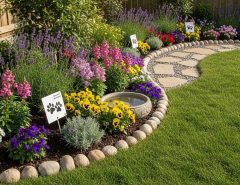
Cottage gardens traditionally follow informal, curving paths rather than rigid geometric designs. Winding walkways create discovery moments and intimate garden rooms. Additionally, curves feel more natural than straight lines in relaxed cottage settings.
Layer plants by height to create depth and visual interest. Tall hollyhocks and delphiniums anchor the back, while medium-height roses and peonies fill the middle. Low-growing dianthus and violas edge pathways in front.
Allow plants to intermingle naturally rather than grouping by strict color schemes. This creates the signature cottage garden abundance where blooms seem to overflow boundaries. Therefore, plant closer than typical garden spacing recommendations suggest.
Include hardscape elements like weathered wood fences, stone pathways, and vintage garden ornaments. These features enhance cottage charm while providing structure. However, keep hardscaping simple and rustic rather than polished or contemporary.
According to Better Homes and Gardens, successful cottage gardens balance planned structure with spontaneous growth, creating organized chaos that appears effortless.
Preparing Soil for Heirloom Varieties
Most heirloom flowers thrive in well-drained soil rich with organic matter. Test soil pH before planting, aiming for slightly acidic to neutral conditions around 6.0 to 7.0. Amendments can adjust pH if needed.
Incorporate aged compost or well-rotted manure into planting beds. Work organic matter into the top 12 inches of soil for optimal root development. Additionally, organic amendments improve both clay and sandy soils over time.
Avoid synthetic fertilizers that can alter heirloom flower characteristics. These plants evolved without chemical inputs and often perform better with organic nutrition. Therefore, compost tea and organic fertilizers support authentic growing methods.
Ensure adequate drainage because many cottage garden flowers dislike wet feet. Raised beds solve drainage problems in heavy clay soils. Alternatively, amending soil with coarse sand and compost improves water movement.
Starting Heirloom Flowers from Seed
Many heirloom varieties grow easily from seed, providing economical garden establishment. Direct sow hardy annuals like sweet alyssum, calendula, and bachelor’s buttons after last frost. These flowers germinate quickly in garden soil.
Start tender annuals indoors six to eight weeks before last frost date. Cosmos, zinnias, and nicotiana need warmth for germination. Moreover, indoor starting extends blooming seasons in shorter growing zones.
Perennial heirlooms often require cold stratification before germination. Mix seeds with moist sand in sealed bags and refrigerate for recommended periods. This mimics natural winter conditions triggering spring germination.
Save seeds from your best plants each season to maintain heirloom characteristics. Allow flower heads to mature and dry on plants before collecting. However, only save seeds from open-pollinated varieties, as hybrids won’t reproduce true.

Sourcing Authentic Heirloom Plant Varieties
Specialized heirloom seed companies preserve historic varieties unavailable at mainstream retailers. Baker Creek, Seed Savers Exchange, and Select Seeds focus exclusively on heritage plants. These companies provide detailed variety histories and growing information.
Local plant swaps and garden club sales offer heirloom plants from experienced gardeners. These sources often include regional varieties adapted to local conditions. Additionally, plant sharing builds community connections among heritage gardening enthusiasts.
Heirloom roses require specialty nurseries focusing on old garden roses. David Austin Roses, Vintage Gardens, and Heirloom Roses offer authentic varieties with proper identification. Mail-order options ship bareroot roses during dormant seasons.
Verify variety names when purchasing heirloom plants. Some retailers mislabel modern hybrids as heirlooms for marketing purposes. Research specific variety characteristics before buying to ensure authenticity.
Incorporating Self-Seeding Annuals and Biennials
Self-seeding flowers create the spontaneous cottage garden look naturally. Allow some plants to complete their life cycles, dropping seeds for next year. This establishes ongoing populations without replanting annually.
Love-in-a-mist, larkspur, and calendula readily self-sow in favorable conditions. These annuals appear in unexpected locations, softening hard edges and filling gaps. Therefore, avoid heavy mulching in areas where you want self-seeding.
Biennials like foxgloves and sweet William establish foliage the first year and bloom the second. Overlapping generations ensure continuous blooming once populations establish. Moreover, their wandering habits enhance cottage garden informality.
Thin self-sown seedlings to prevent overcrowding while maintaining casual abundance. Transplant extras to fill bare spots or share with fellow gardeners. However, some self-sowing should remain undisturbed for natural arrangements.
Adding Fragrant Heirloom Varieties
Fragrance defines authentic cottage gardens more than visual appeal alone. Modern hybrids often sacrifice scent for longer blooming or disease resistance. Heirloom varieties prioritize the perfumes that make cottage gardens memorable.
Old-fashioned roses offer the most intense fragrances in the plant kingdom. Damask roses produce the classic attar used in perfumery. Bourbon roses combine strong scent with repeat blooming capabilities.
Sweet peas provide heavenly fragrance when picked fresh for bouquets. Heirloom varieties like Old Spice and King Edward VII offer scents unmatched by modern types. Additionally, cutting encourages more bloom production.
Night-scented stocks perfume evening gardens when other flowers rest. Matthiola bicornis releases powerful fragrance after sunset, creating magical twilight experiences. Plant these near seating areas for maximum enjoyment.
According to The Guardian, heirloom sweet peas contain significantly higher fragrance compounds than modern cultivars bred primarily for appearance.
Managing Pests and Diseases Organically
Heirloom varieties often possess natural pest and disease resistance bred through centuries of selection. However, organic management practices support plant health without synthetic chemicals. These methods align with historical cottage gardening approaches.
Encourage beneficial insects by planting diverse flower species. Ladybugs, lacewings, and parasitic wasps control aphids and other pests naturally. Additionally, avoid pesticides that harm these garden allies.
Hand-pick larger pests like Japanese beetles and caterpillars during morning inspections. Drop collected pests into soapy water for disposal. This method works effectively for small gardens without chemical intervention.
Prevent fungal diseases through proper spacing allowing air circulation. Water at soil level rather than overhead to keep foliage dry. Moreover, morning watering allows plants to dry before nightfall.
Companion planting naturally deters pests while attracting pollinators. Interplant aromatic herbs like lavender and catmint throughout flower beds. These plants confuse pests while contributing cottage garden charm.
Maintaining Continuous Bloom Throughout Seasons
Select varieties with staggered bloom times for season-long color. Early bloomers like violas and primroses start spring displays. Mid-season roses and delphiniums provide summer peaks. Late bloomers like asters and Japanese anemones extend into fall.
Deadhead spent blooms regularly to encourage continued flowering. Remove faded flowers before seed formation to redirect energy into new buds. However, allow some late-season blooms to set seed for self-sowing.
Cut flowers frequently for indoor arrangements to stimulate more production. Many cottage garden flowers respond to cutting with increased blooming. Therefore, harvesting bouquets benefits both garden and home.
Divide perennials every three to four years to maintain vigor. Spring or fall division prevents overcrowding while creating new plants. Additionally, division opportunities allow garden expansion or plant sharing.
Creating Natural Plant Supports
Traditional cottage gardens use rustic supports that blend into plantings. Pea brush from pruned twigs provides natural support for sprawling plants. Push branches into soil around emerging perennials in early spring.
Woven willow or hazel hurdles create period-appropriate backdrops and supports. These handcrafted structures weather beautifully while supporting climbing roses and sweet peas. Moreover, they contribute authentic cottage garden character.
Bamboo canes and natural twine support tall delphiniums and hollyhocks practically and aesthetically. Tie stems loosely allowing natural movement while preventing wind damage. However, install supports early before plants reach full height.
Allow some plants to lean naturally on neighbors for informal effect. This intermingling creates the relaxed cottage garden look while providing mutual support. Therefore, strategic plant placement reduces staking needs.
Conclusion
Creating cottage gardens with heirloom varieties connects gardeners to horticultural history while producing stunning landscapes. Success requires selecting authentic heritage plants, preparing soil organically, and embracing informal design principles. Heirloom flowers offer superior fragrance, natural pest resistance, and timeless beauty modern hybrids cannot duplicate. Therefore, patience and attention to traditional methods reward gardeners with enchanting spaces filled with blooms that have delighted generations. The effort invested in establishing heirloom cottage gardens creates living legacies celebrating both botanical heritage and personal creativity.
Frequently Asked Questions
What makes a flower variety qualify as an heirloom?
Heirloom flowers are open-pollinated varieties passed down at least 50 years, though many date back centuries. They reproduce true from seed, maintaining consistent characteristics across generations. Unlike hybrids, heirlooms can be saved and replanted indefinitely.
Do heirloom flowers require more maintenance than modern varieties?
Generally, heirloom varieties require less maintenance because they evolved natural pest resistance and climate adaptability. However, some may need staking or deadheading. Modern hybrids often demand more fertilizers and disease treatments despite appearing lower maintenance.
Can I grow a cottage garden with heirlooms in small spaces?
Yes, cottage gardens adapt beautifully to small spaces through container gardening and vertical growing. Choose compact heirloom varieties and climbing plants trained on trellises. Focus on fragrant varieties and cutting flowers to maximize small garden enjoyment.
When is the best time to start a cottage garden?
Spring and fall offer ideal planting times for most cottage garden perennials and biennials. Start annual seeds indoors in late winter or direct sow after frost. However, bareroot roses plant best during dormant seasons in late winter.
Where can I find heirloom flower seeds and plants?
Specialized seed companies like Baker Creek, Seed Savers Exchange, and Select Seeds carry extensive heirloom collections. Local garden clubs often host plant swaps. Additionally, heritage rose nurseries and botanical gardens sometimes sell authentic heirloom varieties.
Related Topics:
Understanding 20-10-10 Fertilizer: Your Guide to Healthier Plants
The Ultimate Guide to Gardening with a 25-Gallon Pot: Tips, Benefits, and Best Practices



Leave a Reply