

Every gardener has experienced that sinking feeling when they discover their beloved plants looking wilted and sad. However, understanding why your plants are drooping is crucial for providing the right treatment. While drooping leaves often signal a problem, the underlying cause can vary dramatically. Two common culprits are general drooping from underwatering and heat stress from excessive temperatures. Learning to distinguish between these conditions will help you save your plants and prevent future damage.
Understanding Plant Drooping
Plants droop when they lose their structural rigidity. This happens because plant cells rely on water pressure to stay firm and upright. When cells lack sufficient water, they become limp, causing leaves and stems to sag. Therefore, drooping is essentially a visible sign that something has disrupted the plant’s water balance.
Many factors can cause plants to droop. Underwatering is the most obvious reason, but overwatering, root damage, disease, and environmental stress can also trigger drooping. Additionally, plants may droop temporarily during the hottest part of the day as a protective mechanism, then recover by evening.
What is Heat Stress in Plants
Heat stress occurs when plants are exposed to temperatures beyond their comfort range for extended periods. Most garden plants thrive between 65 and 75 degrees Fahrenheit. When temperatures climb above 85 degrees, plants begin experiencing physiological stress. According to the National Oceanic and Atmospheric Administration, extreme heat events are becoming more frequent and intense due to climate change, making heat stress an increasingly common problem for gardeners.
During heat stress, plants struggle to perform basic functions. Photosynthesis slows down, water evaporates too quickly from leaves, and cellular damage can occur. Consequently, plants exhibit various symptoms as they attempt to cope with the excessive heat.
Key Differences Between General Drooping and Heat Stress
Timing of Symptoms
One of the clearest differences lies in when symptoms appear. General drooping from underwatering typically worsens gradually over several days. The plant looks progressively more wilted as soil moisture depletes. In contrast, heat stress often strikes suddenly during peak afternoon hours when temperatures soar.
Plants experiencing heat stress may look perfectly healthy in the morning, then droop dramatically by midday. Furthermore, they often recover somewhat during cooler evening hours, only to droop again the next hot day. This cyclical pattern is a telltale sign of heat stress rather than simple underwatering.
Soil Moisture Levels
Checking soil moisture provides crucial diagnostic information. Stick your finger two inches into the soil near the plant’s base. If the soil feels bone dry and pulls away from the pot edges, underwatering is likely the culprit. The plant simply needs water to rehydrate.
However, if the soil feels adequately moist or even wet, yet the plant still droops, heat stress becomes the more probable cause. Plants can droop despite having water available because extreme heat increases transpiration rates faster than roots can absorb moisture. Therefore, the plant cannot keep up with water loss through its leaves.
Leaf Appearance and Texture
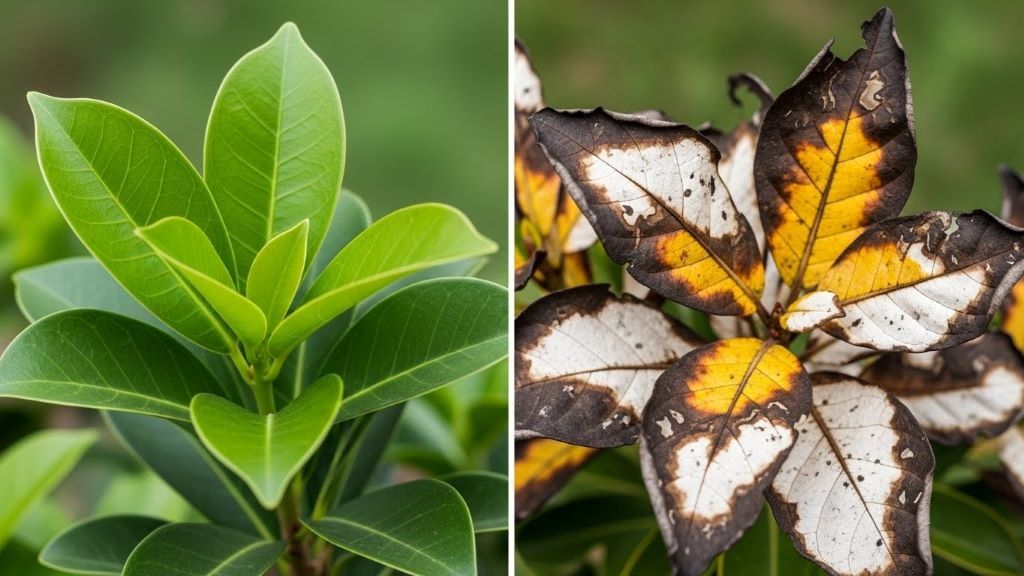
Leaf characteristics offer additional clues. Plants suffering from underwatering typically develop dry, crispy, or brittle leaves. The foliage may curl inward or develop brown, papery edges. The entire plant appears uniformly wilted, with both old and new growth affected similarly.
Heat-stressed plants display different symptoms. Their leaves often appear scorched or bleached, with pale, washed-out colors. Brown patches may develop between leaf veins while the veins themselves remain green. Additionally, the leaf surface might look papery or feel unusually thin and delicate.
Recovery Response
How plants respond to watering reveals important information. An underwatered plant typically perks up within hours of receiving water. The leaves regain their firmness, and the plant stands upright again. This rapid recovery indicates that lack of water was the primary problem.
Conversely, heat-stressed plants may not respond immediately to watering. They might remain droopy despite receiving adequate moisture because the issue stems from temperature, not water availability. These plants usually recover only when temperatures drop in the evening or when moved to shade.
Overall Plant Behavior
Observe your plant’s behavior patterns over several days. Underwatered plants show consistent, progressive wilting that continues until they receive water. The drooping steadily worsens regardless of time of day or temperature.
Heat-stressed plants exhibit variable symptoms that correlate with temperature fluctuations. They may look fine during cool mornings, droop during hot afternoons, and partially recover at night. This temperature-dependent pattern strongly suggests heat stress rather than watering issues.
Additional Symptoms of Heat Stress
Leaf Curling and Rolling
Heat-stressed plants often curl their leaves upward or roll them inward. This adaptation reduces the leaf surface area exposed to direct sunlight, minimizing water loss and heat absorption. Therefore, curled leaves indicate the plant is actively trying to protect itself from excessive heat.
Blossom Drop and Fruit Damage
High temperatures can cause flowers to drop prematurely before setting fruit. Existing fruits may develop sunscald, appearing as white or brown patches on the sun-facing side. Additionally, tomatoes may develop tough, leathery areas that fail to ripen properly.
Stunted Growth
Plants experiencing chronic heat stress often stop growing. New growth may appear small, distorted, or discolored. The plant diverts energy from growth to survival, resulting in overall reduced vigor and productivity.
How to Diagnose Your Plant’s Problem
Start by checking environmental conditions. Note the current temperature and recent weather patterns. Has it been exceptionally hot? Are plants in full sun during the hottest part of the day?
Next, examine the soil moisture thoroughly. Check several inches deep, not just the surface. Remember that surface soil can dry quickly while deeper layers remain moist. Use a moisture meter for more accurate readings if available.
Look carefully at leaf symptoms. Are they dry and crispy or scorched and bleached? Check both the upper and lower leaf surfaces. Examine multiple leaves from different parts of the plant for patterns.
Finally, observe timing. Does the drooping occur at specific times? Does the plant recover on its own during cooler periods? These observations will guide you toward the correct diagnosis.
Solutions for Drooping Plants
For Underwatered Plants
Water deeply and thoroughly until water drains from the bottom of pots or penetrates at least six inches into garden soil. Water early in the morning to reduce evaporation. Apply mulch around plants to retain soil moisture and regulate soil temperature.
Consider installing drip irrigation or soaker hoses for consistent watering. These systems deliver water directly to roots, reducing waste and ensuring plants receive adequate moisture even during busy periods.
For Heat-Stressed Plants
Provide temporary shade during the hottest part of the day. Use shade cloth, umbrellas, or strategically placed tall plants to filter intense sunlight. Even 30 percent shade can significantly reduce heat stress.
Increase watering frequency during heat waves, even if soil seems moist. Plants need extra water to compensate for increased transpiration. However, avoid overwatering, which can cause root problems.
Apply organic mulch around plant bases to keep roots cool and retain moisture. A two to three-inch layer of wood chips, straw, or shredded leaves makes a significant difference. Additionally, consider misting leaves during extreme heat to provide temporary cooling, though this should not replace proper watering.
Move container plants to shadier locations during heat waves. The flexibility of containers allows you to protect vulnerable plants quickly. Furthermore, group pots together so they shade each other and create a cooler microclimate.
Prevention Strategies
Site Selection and Planning
Choose appropriate planting locations based on each plant’s heat tolerance. Place heat-sensitive plants where they receive afternoon shade. Reserve full-sun spots for heat-tolerant varieties like Mediterranean herbs, succulents, and native plants adapted to your climate.
Soil Health
Maintain healthy soil rich in organic matter. Good soil structure retains moisture better and supports robust root systems. Roots growing in healthy soil can access water more efficiently, helping plants withstand both drought and heat stress.
Variety Selection
Select plant varieties bred for heat tolerance, especially if you garden in hot climates. Many seed companies now offer heat-resistant cultivars specifically developed for challenging conditions. According to the USDA Plant Hardiness Zone Map, understanding your local climate zone helps you choose appropriate plants for your area.
Gradual Acclimation
Harden off plants gradually when moving them outdoors or to sunnier locations. Sudden exposure to intense heat and sun causes shock. Instead, introduce plants to new conditions over seven to ten days, increasing exposure incrementally.
Conclusion
Distinguishing between general plant drooping and heat stress requires careful observation of timing, soil conditions, leaf appearance, and recovery patterns. Underwatered plants show progressive wilting with dry soil and recover quickly after watering. Heat-stressed plants droop during hot periods despite adequate moisture, display scorched or bleached foliage, and recover when temperatures drop. By accurately identifying the cause of drooping, you can provide appropriate treatment and implement prevention strategies. Remember that successful gardening involves understanding your plants’ signals and responding with targeted solutions rather than generic remedies.
Frequently Asked Questions
Can a plant experience both underwatering and heat stress simultaneously?
Yes, plants can suffer from both conditions at once, especially during heat waves when soil dries quickly and high temperatures increase water demands. In such cases, address both issues by watering thoroughly and providing shade or cooling measures during peak heat hours.
How long does it take for a heat-stressed plant to fully recover?
Recovery time varies depending on damage severity and plant type. Mild heat stress may resolve within 24 to 48 hours once temperatures moderate. However, severely stressed plants with tissue damage may take several weeks to recover fully, and some damage like leaf scorch remains permanent.
Should I fertilize drooping plants to help them recover?
No, avoid fertilizing stressed plants. Fertilizer can actually worsen problems by forcing stressed plants to put energy into growth when they need to focus on recovery. Wait until plants show clear signs of recovery and active growth before resuming normal fertilization.
Do certain plants handle heat better than others?
Absolutely. Mediterranean herbs like rosemary and lavender, succulents, native plants adapted to your region, and specifically bred heat-tolerant varieties all handle high temperatures better. Research plants suited to your climate zone and microclimate conditions for best results.
Can I use ice cubes to cool down overheated plants?
While ice cubes seem helpful, they can shock plant roots with sudden temperature changes. Instead, use room-temperature or slightly cool water for watering, apply mulch to insulate roots, provide shade, and mist foliage during extreme heat for gentler cooling that won’t stress plants further.
Related Topics:
Vinegar as a Weed Killer: To Dilute or Not to Dilute? (Plus Pros, Cons & FAQs)
The Ultimate Guide to Long-Handled Gardening Tools: Pros, Cons, and Essential FAQs


Leave a Reply