
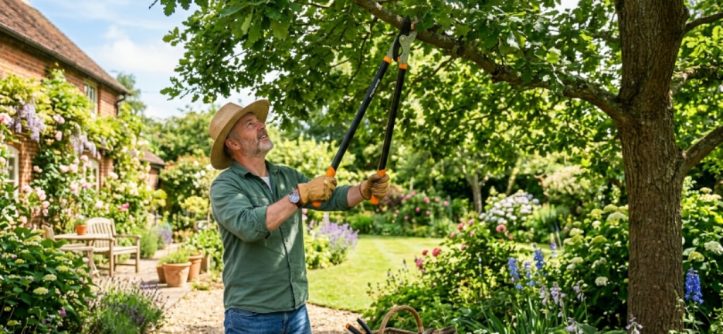
Pruning trees is one of those jobs that looks harder than it actually is. Many homeowners put it off for months, worried they will damage their trees or simply not knowing where to begin. However, with the right loppers in your hand and a basic understanding of technique, the task becomes surprisingly manageable.
Loppers are long-handled cutting tools designed specifically for branches that are too thick for hand pruners but too small for a saw. They give you reach, leverage, and cutting power all in one tool. Choosing the right pair and learning a few simple techniques can completely change your experience in the garden.
This article covers everything you need to know. From selecting the best loppers to making clean, confident cuts, you will finish reading ready to take on your trees with ease.
Why Pruning Matters for Tree Health
Pruning is not just about keeping your garden tidy. It plays a direct role in the long-term health of your trees. Dead, diseased, or crossing branches can weaken a tree over time. They create entry points for pests and disease, and they compete for nutrients that the rest of the tree needs.
Regular pruning also encourages new growth. When you remove old or unproductive wood, the tree redirects its energy into stronger branches and fresh shoots. Additionally, pruning improves airflow through the canopy, which reduces the risk of fungal problems caused by damp, stagnant conditions.
For homeowners, garden maintenance done consistently is always easier than dealing with neglected, overgrown trees later. A little work each season keeps everything under control.
Understanding Different Types of Loppers
Not all loppers are the same. Understanding the differences helps you pick the right tool for the job.
Bypass Loppers
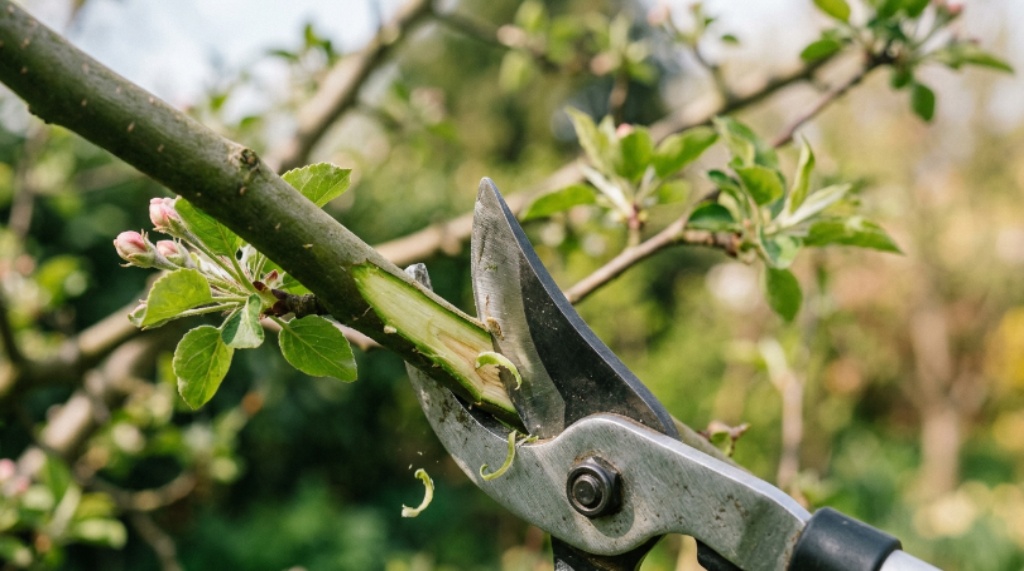
Bypass loppers work like scissors. One blade passes by the other to make a clean, precise cut. This design is ideal for live wood and green branches. The cut is smooth, which means less damage to the surrounding tissue and faster healing for the tree. Most gardening experts recommend bypass loppers as the first choice for general pruning.
Anvil Loppers
Anvil loppers have one sharp blade that cuts down onto a flat surface, or anvil. They create more crushing pressure, which makes them better suited for dead or very dry wood. However, they can bruise living tissue if used on green branches. Therefore, it is worth having both types if you prune regularly and deal with a mix of wood conditions.
Telescopic and Extendable Loppers
Some loppers come with telescopic handles that extend your reach significantly. These are useful for branches higher up in the tree without needing a ladder. They add versatility to your toolkit and can reduce physical strain by letting you work from a more comfortable angle.
How to Choose the Right Loppers for Your Garden
With so many options available, the choice can feel confusing. However, a few practical criteria make it simpler.
Cutting Capacity
Every pair of loppers has a maximum cutting capacity, usually measured in diameter. Most standard loppers handle branches up to 40mm or roughly 1.5 inches. Heavy-duty models can go up to 60mm or more. Before buying, think about the thickest branches you regularly deal with. Choosing loppers that are just right for your trees will make every cut feel effortless.
Handle Material and Length
Handles come in wood, aluminium, fibreglass, and carbon steel. Aluminium handles are lightweight and resist rust, making them a popular choice. Fibreglass handles absorb vibration well, which reduces fatigue during long sessions. Longer handles give you more leverage, which is helpful when cutting thicker branches. However, very long loppers can feel unwieldy in tight spaces.
Blade Quality
Look for hardened steel blades with a rust-resistant coating. Some blades are coated with non-stick finishes that reduce friction during cutting. Sharp blades from a reputable brand will stay sharper for longer and deliver cleaner cuts throughout their lifespan. Additionally, check whether replacement blades are available for the model you choose, as this extends the life of the tool considerably.
Easy Pruning Tips for Cleaner Cuts and Healthier Trees
Technique matters just as much as having the right tool. These easy pruning tips will help you work smarter and protect your trees at the same time.
Always Cut at the Right Angle
When removing a branch, cut at a slight angle just above a bud or side branch. This angle allows water to run off rather than pool on the cut surface, which reduces the risk of rot. Avoid cutting too close to the bud, as this can damage it. Equally, do not leave too long a stub, as stubs die back and become entry points for disease.
Follow the Three-Cut Method for Large Branches
For branches thicker than 2 inches, use the three-cut method. First, make a small undercut about a third of the way through the branch, roughly 12 inches from the trunk. This prevents the bark from tearing when the branch falls. Next, cut from the top, slightly further out than the first cut, until the branch falls away. Finally, remove the remaining stub cleanly just outside the branch collar, which is the slightly raised area where the branch meets the trunk.
Remove Dead Wood First
Always start by removing dead, diseased, or damaged branches. This immediately improves the look of the tree and gives you a clearer picture of what else needs attention. It also removes the most urgent threats to tree health right away.
Never Remove More Than One Third
A common mistake is pruning too heavily in a single session. Removing more than one third of the tree’s canopy at once puts it under significant stress. Therefore, spread heavier pruning over two or three seasons if the tree needs major reshaping.
Clean Your Blades Between Trees
This step is often skipped but it is genuinely important. Diseases can spread from one tree to another on dirty blades. Wipe the blades with a cloth dampened with rubbing alcohol or a diluted bleach solution between each tree. This simple habit protects your entire garden.
The Best Time of Year to Prune Trees
Timing your pruning correctly supports tree recovery and growth. For most deciduous trees, late winter is ideal. The tree is dormant, so there is less stress on the plant, and the absence of leaves gives you a clear view of the branch structure.
However, dead, diseased, or dangerous branches should be removed as soon as they are spotted, regardless of the season. Waiting for the right time of year is not worth the risk when a branch is actively dying or poses a hazard.
Spring-flowering trees such as cherry and magnolia are best pruned immediately after they finish blooming. Pruning them in winter removes the flower buds and reduces that season’s display. Additionally, avoid pruning in late summer or early autumn, as new growth stimulated at that time may not harden before the first frost.
Maintaining Your Loppers for Long-Term Performance
Good loppers can last for many years with basic care. After each use, wipe the blades clean and apply a thin coat of oil to prevent rust. Store them in a dry place away from damp conditions. Additionally, sharpen the blades regularly using a sharpening stone or file. Sharp blades make cleaner cuts, reduce effort, and are kinder to the tree.
Check the pivot bolt from time to time and tighten it if the blades feel loose. A tight, well-maintained pair of loppers will feel as good in ten years as it did on the first day.
How Loppers Support Year-Round Garden Maintenance
Loppers are not just for one season. They earn their place in your shed throughout the year. In spring, use them to shape new growth and remove frost damage. In summer, they help manage fast-growing shrubs and ornamental trees. Autumn is a good time to tidy up before winter sets in.
Consistent garden maintenance with the right tools makes each session shorter and more effective. When you stay on top of growth throughout the year, nothing gets out of hand. You spend less time on any single job and more time enjoying your outdoor space.
Conclusion
Pruning trees does not have to be a daunting task. With the right loppers, a clear technique, and a little seasonal planning, it becomes a straightforward and satisfying part of garden life. Choose bypass loppers for living wood and anvil loppers for dry or dead branches. Follow easy pruning tips like the three-cut method, the one-third rule, and proper blade hygiene to protect both your trees and your tools.
Good garden maintenance is built on consistency and the right equipment. Invest in a quality pair of loppers, take care of them, and your trees will reward you with healthier growth, better shape, and fewer problems year after year.
Frequently Asked Questions
What size loppers do I need for most garden trees?
For most home garden trees, loppers with a cutting capacity of 40mm to 50mm will handle the majority of branches you encounter. If you regularly deal with thicker wood, look for heavy-duty models that cut up to 60mm.
Can I prune a tree at any time of year?
For most trees, late winter is the best time to prune. However, dead or dangerous branches should be removed immediately regardless of season. Spring-flowering trees are best pruned right after they bloom to preserve next year’s flowers.
How do I know if I am cutting in the right place?
Cut just outside the branch collar, which is the swollen area where the branch joins the trunk or a larger branch. Cutting here allows the tree to seal the wound naturally and efficiently.
How often should I sharpen my lopper blades?
Sharpen your lopper blades at the start of each pruning season and again mid-season if you use them frequently. Sharp blades make cleaner cuts, reduce effort, and are better for tree health.
Is it possible to prune too much?
Yes. Removing more than one third of the canopy in a single session stresses the tree significantly. Spread heavy pruning over multiple seasons if the tree needs major work, and always prioritize removing dead or damaged wood first.

Leave a Reply