
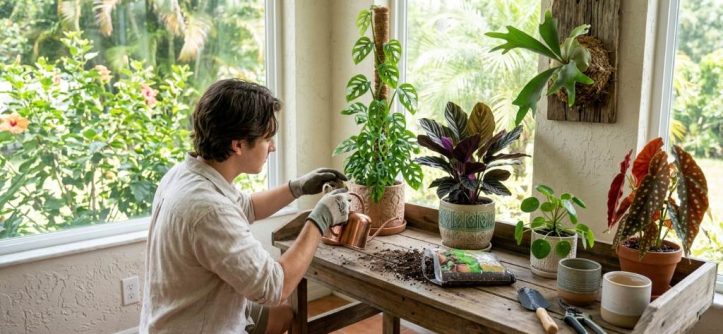
Starting a garden indoors has become more popular than ever, with over 55% of U.S. households now engaging in some form of home gardening. In warm regions like Orlando, Florida, indoor gardening offers a great way to control conditions while still enjoying lush greenery year-round. If you are curious about sensitive plants and unique species, learning how to grow mimosa pudica indoors can be an exciting first step. This guide breaks everything down into simple, practical steps tailored to Orlando’s humid subtropical climate. By the end, you will feel confident choosing, growing, and maintaining distinctive indoor plants successfully.
Understanding Orlando’s Climate for Indoor Gardening
Orlando has a humid subtropical climate with hot summers and mild winters, which directly affects indoor plant care. Even though you grow plants inside, outdoor humidity and temperature still influence indoor air conditions. For example, high humidity levels can benefit tropical plants but may also lead to mold if airflow is poor. Therefore, managing ventilation becomes just as important as watering. Additionally, indoor temperatures often stay between 70–78°F, which suits many exotic plants well. With the right adjustments, you can turn these natural conditions into a major advantage.
Another key factor is sunlight availability throughout the year in Orlando. The region receives abundant sunshine, which makes it easier to grow light-loving indoor plants. However, strong sunlight can sometimes be too intense when it passes through windows. As a result, using sheer curtains helps diffuse light without reducing it too much. South- and east-facing windows usually provide the best balance for most indoor plants. Understanding these small details helps prevent common beginner mistakes.
Humidity plays a major role in plant health, especially for tropical varieties. Orlando’s average humidity often stays above 70%, which benefits moisture-loving plants like ferns and calatheas. However, air conditioning indoors can lower humidity quickly. Therefore, using a humidifier or pebble tray helps maintain stable moisture levels. Consistency is key because sudden changes stress plants. Keeping a simple hygrometer nearby allows you to monitor conditions easily.
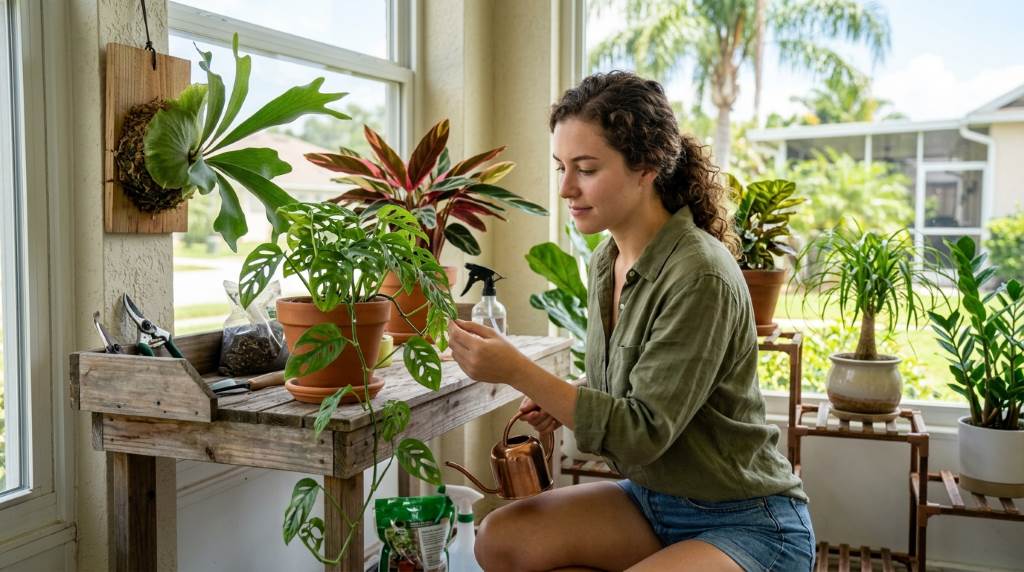
Choosing Unique Indoor Plants for Beginners
Why Unique Plants Matter
Unique indoor plants not only improve your space visually but also keep gardening interesting. Many beginners lose motivation when plants feel too common or repetitive. However, unusual plants like mimosa pudica or air plants add a sense of discovery. They also teach you different care techniques, which builds confidence over time. As a result, you learn faster compared to sticking with only basic plants. This approach makes indoor gardening more engaging and rewarding.
Another benefit of unique plants is their adaptability to indoor environments. Many rare or tropical plants naturally grow under forest canopies, which means they thrive in filtered light. This makes them perfect for homes and apartments. Additionally, these plants often require less direct sunlight than outdoor species. With proper care, they can grow just as well indoors as they do in nature. This flexibility helps beginners succeed early on.
Best Unique Indoor Plants to Start With
Here are some beginner-friendly yet unique indoor plants suitable for Orlando homes:
- Mimosa pudica (Sensitive Plant)
- Air plants (Tillandsia)
- String of pearls
- Calathea varieties
- Venus flytrap
Each of these plants offers something different, from movement to unusual shapes. For example, mimosa pudica folds its leaves when touched, making it highly interactive. Meanwhile, air plants do not need soil, which simplifies maintenance. Choosing a mix of these plants creates variety in both care and appearance. This diversity keeps your indoor garden visually appealing.
Setting Up Your Indoor Garden Space
Creating the right environment is the foundation of successful indoor gardening. First, choose a space that receives consistent natural light throughout the day. Avoid areas near vents or drafty windows because temperature fluctuations can harm plants. Instead, aim for stable conditions where plants can grow without stress. Using shelves or plant stands helps maximize vertical space effectively. This setup also improves airflow between plants.
Lighting adjustments may be necessary depending on your home layout. If natural light is limited, consider using grow lights to supplement sunlight. LED grow lights work well because they provide full-spectrum light while staying energy efficient. Position lights about 6–12 inches above plants for best results. Consistent lighting schedules help plants grow evenly and avoid leaning. Therefore, using a timer ensures reliability without daily effort.
Soil selection is another critical step that beginners often overlook. Different plants require different soil types, so avoid using one mix for everything. For example, succulents need well-draining soil, while tropical plants prefer moisture-retaining mixes. Adding perlite or sand improves drainage and prevents root rot. Healthy soil supports strong root systems, which directly impacts plant growth. Taking time to choose the right mix pays off quickly.
Watering Techniques for Indoor Plants
Watering is one of the most common challenges for beginners. Many people either overwater or underwater their plants, both of which can cause damage. The key is to check the soil before watering instead of following a strict schedule. Insert your finger about an inch into the soil to test moisture levels. If it feels dry, it is time to water. This simple method prevents most watering mistakes.
Different plants have different watering needs, so always adjust based on the species. For example, mimosa pudica prefers consistently moist soil but not soggy conditions. On the other hand, succulents require the soil to dry out completely between watering sessions. Understanding these differences helps you avoid root rot or dehydration. Additionally, using pots with drainage holes ensures excess water can escape. Proper drainage is essential for plant health.
Water quality also matters more than many beginners realize. Tap water in some areas contains chlorine or minerals that can affect sensitive plants. Therefore, letting water sit overnight before use allows chemicals to dissipate. Alternatively, filtered or rainwater works well for most indoor plants. Consistent water quality supports steady growth and reduces stress. Small changes like this can make a big difference over time.
Managing Humidity and Airflow
Humidity control is especially important in Orlando’s climate. While outdoor humidity is high, indoor air can become dry due to air conditioning. Therefore, creating a balanced environment is crucial for plant health. Using a humidifier helps maintain steady moisture levels around your plants. Grouping plants together also increases local humidity naturally. These simple techniques improve overall plant performance.
Airflow is just as important as humidity for indoor gardening. Poor airflow can lead to fungal issues and pest infestations. Therefore, keeping a small fan nearby helps circulate air gently without drying out plants. Avoid placing plants too close together, as this restricts airflow. Proper spacing allows leaves to breathe and reduces disease risk. Maintaining balance between airflow and humidity is key.
Monitoring conditions regularly ensures your plants stay healthy. A digital hygrometer provides accurate humidity readings at any time. This helps you adjust your setup quickly when conditions change. Seasonal shifts can affect indoor environments more than expected. Staying aware of these changes allows you to respond effectively. Consistent monitoring leads to long-term success.
Fertilizing Indoor Plants Properly
Fertilizing provides essential nutrients that indoor plants may not get from soil alone. However, beginners often over-fertilize, which can harm plants instead of helping them. Using a balanced liquid fertilizer once a month is usually enough for most plants. Diluting fertilizer to half strength reduces the risk of nutrient burn. This approach keeps plants healthy without overwhelming them.
Different plants have different nutrient requirements, so adjust accordingly. For example, flowering plants may need more phosphorus, while leafy plants benefit from nitrogen. Reading plant labels helps you choose the right fertilizer type. Additionally, avoid fertilizing during dormant periods, such as winter. Plants grow slower during this time and need fewer nutrients. Timing your fertilization correctly improves results.
Organic fertilizers are a great option for beginners who want a natural approach. Compost tea or worm castings provide gentle nutrients without harsh chemicals. These options also improve soil structure over time. As a result, plants develop stronger root systems and better resilience. Choosing the right fertilizer method depends on your preference and plant type. Both organic and synthetic options can work well when used properly.
Related:
How to Control Garden Pests Naturally Without Chemicals
How to Create Cottage Garden Flowers with Heirloom Varieties
Common Problems and How to Fix Them
Indoor plants can face several common issues, especially for beginners. Yellowing leaves often indicate overwatering or poor drainage. Checking soil moisture and adjusting watering habits usually solves this problem quickly. On the other hand, brown leaf tips may result from low humidity or salt buildup. Increasing humidity or flushing the soil can help restore plant health.
Pests are another challenge that indoor gardeners may encounter. Common pests include spider mites, aphids, and fungus gnats. Regularly inspecting plants helps catch infestations early. Using neem oil or insecticidal soap provides an effective and safe treatment. Consistent care prevents pests from spreading to other plants. Early action is always the best approach.
Slow growth can frustrate beginners, but it often has simple causes. Insufficient light is one of the most common reasons for poor growth. Moving plants closer to a light source or adding grow lights can solve this issue. Nutrient deficiencies may also play a role. Adjusting fertilization routines helps plants recover quickly. Identifying the root cause leads to faster improvement.
Seasonal Care Tips for Orlando Indoor Gardens
Even though plants are indoors, seasonal changes still affect their growth. During summer, increased sunlight and heat may require more frequent watering. However, always check soil moisture before watering to avoid overdoing it. Using curtains can protect plants from intense midday sun. This prevents leaf burn while maintaining healthy light levels. Small adjustments make a big difference.
In winter, growth slows down due to reduced daylight hours. Therefore, watering and fertilizing should be reduced accordingly. Overwatering during this period is a common mistake. Additionally, indoor heating systems can dry out the air. Using a humidifier helps maintain stable conditions. Adjusting care routines based on seasons keeps plants healthy year-round.
Spring and fall are ideal times for repotting and propagation. Plants grow more actively during these seasons, making them more resilient. Repotting gives roots more space and refreshes the soil. Propagation allows you to expand your indoor garden without extra cost. These activities help you build experience and confidence. Seasonal awareness improves long-term results.
Benefits of Growing Unique Indoor Plants
Growing unique indoor plants offers both practical and emotional benefits. Plants improve air quality by reducing pollutants and increasing oxygen levels. Studies show that indoor plants can boost mood and reduce stress significantly. This makes them a valuable addition to any home. Additionally, caring for plants creates a sense of routine and responsibility. These benefits go beyond simple decoration.
Unique plants also serve as conversation starters and design elements. Their unusual shapes and behaviors make them stand out in any room. For example, mimosa pudica’s movement fascinates both adults and children. This interactive aspect adds a fun element to gardening. Incorporating these plants into your home enhances both aesthetics and experience. It makes your space feel more alive.
Indoor gardening also supports sustainability and self-sufficiency. Growing plants at home reduces the need for store-bought decorations. It also encourages eco-friendly habits and awareness. Small actions like this contribute to a healthier environment overall. Additionally, learning plant care skills can lead to growing herbs or vegetables later. This creates long-term value beyond aesthetics.
Conclusion
Indoor gardening in Orlando offers a unique opportunity to grow diverse and fascinating plants year-round. By understanding local climate conditions and adjusting your care routine, you can create a thriving indoor garden with ease. Starting with unique plants keeps the experience engaging while helping you learn faster. Focus on proper lighting, watering, and humidity to build a strong foundation. Take action today by choosing one or two plants and setting up your space. With consistent care, your indoor garden will quickly become a rewarding part of your daily life.
FAQs
What is the easiest unique indoor plant for beginners?
Mimosa pudica is a great choice because it is interactive and relatively easy to care for.
How often should I water indoor plants in Orlando?
Watering depends on the plant, but checking soil moisture before watering is the best method.
Do indoor plants need fertilizer year-round?
No, most plants need less fertilizer during winter when growth slows down.
Can I grow tropical plants indoors in Orlando?
Yes, Orlando’s humidity makes it ideal for tropical indoor plants with proper care.
What causes yellow leaves on indoor plants?
Overwatering is the most common cause, but poor drainage can also contribute.


Leave a Reply