
Woodworking brings ideas to life. You sketch a design, pick up your tools, and suddenly a flat board turns into a curved chair back or an intricate scrollwork piece. Yet nothing frustrates more than a jig saw that vibrates too much, tears the wood, or quits mid-cut.
A good jig saw handles curves, straight lines, and plunge cuts with ease. It becomes an extension of your hand. According to the U.S. Consumer Product Safety Commission, power saws contribute to tens of thousands of emergency room visits each year, many from portable tools like jig saws. Choosing the right model keeps your projects fun and your fingers safe.
Moreover, modern jig saws pack smart features that make cutting cleaner and faster. For a solid example of jig saw features explained, check out this dependable corded model from SKIL. It shows how thoughtful design helps everyday woodworkers.
This guide walks you through everything you need to pick the perfect jig saw for your shop.
What Makes a Jig Saw Essential for Woodworking?
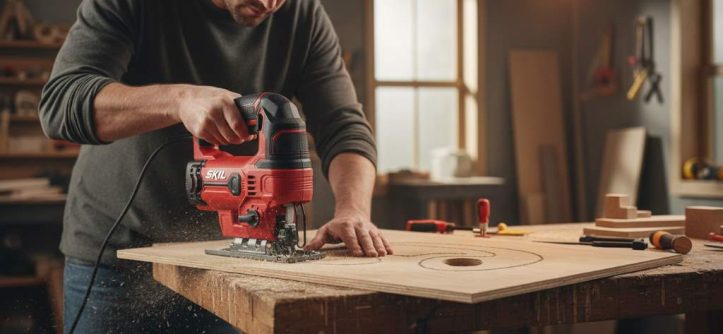
Jig saws excel at freehand curved cuts. Other saws struggle with tight radii, but a jig saw follows your line smoothly. Woodworkers use them for scrollwork, cutting circles for tabletops, or trimming cabinet parts.
Additionally, jig saws handle straight cuts well when you clamp a guide. They plunge into the middle of a board to start interior cuts, perfect for sink openings or decorative inlays.
Furthermore, their narrow blades reach tight spaces that circular saws or band saws cannot. Serious hobbyists and professionals keep one nearby because it solves problems other tools cannot.
Corded or Cordless: Which Power Source Fits Your Work?
Power source shapes how you use the tool daily.
Corded jig saws deliver steady power. You never worry about battery life during long sessions. They run stronger motors, often 6 to 7 amps, which push through thick hardwoods without slowing. Workshops with outlets nearby benefit most from corded models.
Cordless jig saws give freedom of movement. You carry them to job sites, decks, or anywhere without cords. Modern 18V or 20V batteries last through dozens of cuts in typical woodworking tasks. However, heavy, continuous use drains batteries faster, so keep spares charged.
In addition, cordless models weigh less overall since they skip the cord. That reduces fatigue when you hold the saw overhead or in awkward positions.
Many woodworkers own both. They grab cordless for quick jobs and corded for marathon cutting days.
Key Power and Speed Features to Evaluate
Power determines what materials you cut comfortably.
Corded models list amps. Look for at least 5 amps for general woodworking. Six or seven amps handle thicker stock and denser woods like oak or maple without bogging down.
Cordless models list voltage. 18V systems work fine for most tasks. Higher voltage platforms push more power when needed.
Variable speed stands out as a must-have feature. You dial low speeds for tight curves and delicate veneers to prevent burning. Higher speeds rip through thick pine quickly.
Additionally, speed triggers or dials let you match the tool to the wood. Softwoods cut fast. Hardwoods and plywood need controlled pace for clean edges.
Orbital action adds aggression. The blade swings forward on the upstroke to clear chips faster. Zero orbit gives smooth, tear-out-free cuts in plywood tops. Full orbit speeds rough cutting of construction lumber.
Most quality jig saws offer three or four orbit settings. You adjust based on the finish you want.
Blade Changing and Compatibility Matters
Quick blade changes save time and frustration.
Tool-less systems let you swap blades in seconds with a lever or clamp. Older models require Allen keys, which slow you down and get lost easily.
T-shank blades dominate the market now. They lock securely and rarely slip. Almost all new jig saws accept T-shanks. Some also take U-shanks for older blade collections.
Accepting both shank types adds flexibility. However, T-shank blades offer more variety and better performance today.
Bevel Cuts and Base Plate Design
Bevel capacity expands project options.
Most jig saws tilt to 45 degrees left and right. That lets you cut angled edges for boxes, frames, or compound curves.
Tool-free bevel adjustments speed setup. Positive stops at common angles (0°, 15°, 30°, 45°) ensure accuracy.
Sturdy die-cast aluminum bases resist flexing. Steel bases work but bend easier over time. Look for bases with clear sightlines and protective plastic overlays to prevent scratching finished surfaces.
Dust Management Keeps Your Line Visible
Wood dust clouds your cut line fast.
Built-in dust blowers clear debris as you cut. Some models add LED lights that shine right on the blade path.
Dust ports connect to shop vacuums for cleaner shops and healthier lungs. Strong extraction makes long cutting sessions much more pleasant.
Moreover, clear blade guards let you see the cut while containing chips. Good visibility equals better accuracy.
Ergonomics Reduce Fatigue
Comfort matters when you cut for hours.
Barrel-grip models put your hand directly above the blade for precise control on detailed scrollwork. Top-handle (D-handle) models feel familiar and give leverage for rough cuts.
Rubber overmolds dampen vibration. Lower vibration means less hand numbness at the end of the day.
Balanced weight distribution prevents the saw from feeling nose-heavy. Try holding models in the store if possible to feel the difference.
Safety Features Protect You
Safety starts with smart design.
Blade guards cover the blade when not cutting. Lock-off switches prevent accidental starts. Some models add electronic brakes that stop the blade instantly when you release the trigger.
Additionally, constant speed control maintains blade speed under load, reducing kickback risk.
Always wear eye protection and secure workpieces firmly. A good jig saw with safety features simply gives you one less thing to worry about.
Understanding Jig Saw Blades for Woodworking
Blades make or break cut quality.
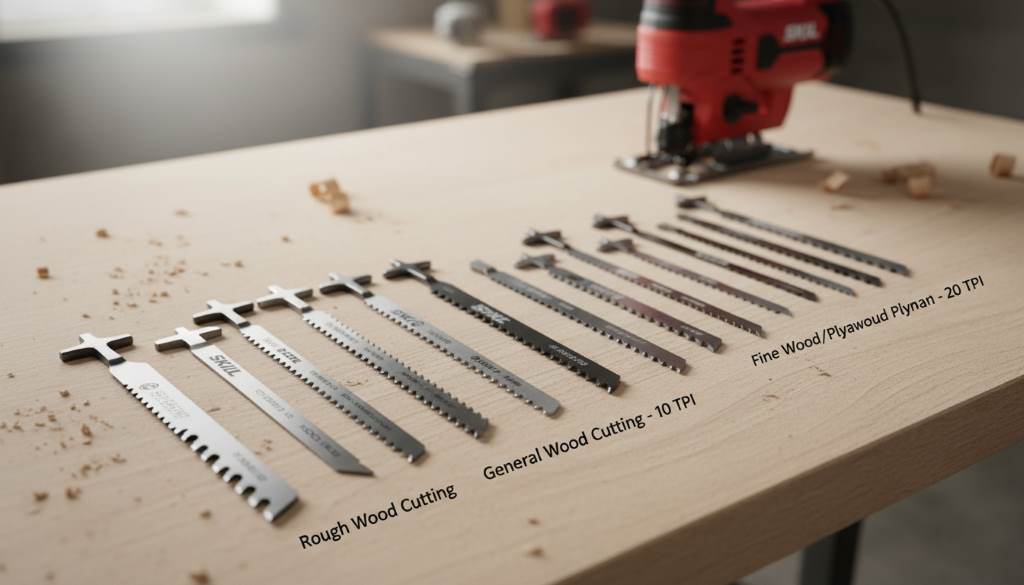
High-carbon steel (HCS) blades cost less and flex well for curved cuts in softwoods and plywood. They dull faster in hardwoods.
Bi-metal blades combine flexibility and durability. They last longer in mixed materials and resist breaking on knots.
Teeth per inch (TPI) controls finish. Six to ten TPI cuts fast but rough, ideal for framing or roughing out shapes. Twenty TPI or more gives glass-smooth edges in finish plywood.
Reverse-tooth blades cut on the downstroke to reduce tear-out on top surfaces. Use them for visible faces.
Ground teeth slice cleanly. Milled teeth remove material aggressively.
Specialty scroll blades with tiny teeth and narrow width follow tight radii perfectly.
Invest in quality blade assortments. Cheap blades tear wood and frustrate you.
Related:
How to Use a Garden Weeding Tool to Maintain a Healthy Lawn
Matching Stroke Length and Cutting Capacity
Stroke length affects cutting speed.
Longer strokes (around 1 inch) remove material faster. Shorter strokes give more control for fine work.
Cutting capacity tells you maximum thickness. Most jig saws handle 2 to 3 inches in wood. Heavy-duty models reach 4 inches or more.
Check both wood and metal capacities if you work with mixed materials.
Top Brands Woodworkers Trust
Several brands consistently deliver reliable jig saws.
Bosch leads with innovative features like precision blade guidance and low vibration. Their barrel-grip models feel exceptional for detailed work.
DeWalt builds tough tools that survive job sites. Their cordless lineup integrates seamlessly with existing batteries.
Makita offers quiet, smooth-running motors and excellent dust extraction.
SKIL provides strong value with thoughtful features at accessible levels.
Milwaukee excels in cordless runtime and power.
Festool invests heavily in dust extraction and precision, perfect for finish carpenters.
Each brand has strengths. Choose based on your existing tools and budget priorities.
Beginner vs Professional Needs
Beginners benefit from simple, forgiving tools.
Look for variable speed, tool-less blade changes, and clear instructions. Cordless models reduce cord management headaches while learning.
Professionals need durability and speed. Higher amp motors, metal gearboxes, and brushless motors (in cordless) handle daily use.
Moreover, pros appreciate extras like multiple orbit settings, bright LEDs, and quick bevel adjustments.
Start with a solid mid-range model. You can always upgrade later as skills grow.
Common Woodworking Projects and Best Jig Saw Matches
Scrollwork and intricate designs demand low vibration and precise control. Barrel-grip models with fine blades shine here.
Cabinet making requires clean, splinter-free cuts in plywood. Dust blowers, LED lights, and reverse-tooth blades help immensely.
Rough framing and demolition favor aggressive orbital action and high power.
Outdoor projects like deck decorations benefit from cordless mobility.
Think about your typical projects. Pick a jig saw that handles them best.
Tips for Cleaner, More Accurate Cuts
Preparation sets you up for success.
Mark lines clearly with pencil or knife. Tape along the cut line reduces splintering on plywood.
Support large sheets fully to prevent binding. Use sawhorses or roller stands.
Let the saw do the work. Push too hard and the blade wanders.
Practice on scrap first. Feel how speed and orbit affect the cut.
Clamp straightedges for perfect lines. Simple homemade guides work wonders.
Slow down for curves. Speed burns wood and breaks blades.
Maintaining Your Jig Saw for Long Life
Clean sawdust from vents regularly. Clogged vents overheat motors.
Lubricate moving parts occasionally with light oil.
Store in a dry case. Moisture rusts blades and internals.
Check cords for nicks. Replace damaged cords immediately.
Change blades before they dull completely. Dull blades strain the motor.
Proper care keeps your jig saw running smoothly for years.
Conclusion
Selecting the best jig saw comes down to matching features with your projects. Prioritize variable speed, orbital action, easy blade changes, and comfort. Decide between corded reliability and cordless freedom. Invest in quality blades and safety habits.
Take time to evaluate your needs honestly. The right jig saw transforms woodworking from struggle to joy.
Ready to upgrade? Head to your local tool store, hold a few models, and feel which one fits your hand. Your next project will thank you.
FAQs
What is the most important feature in a jig saw for woodworking?
Variable speed tops the list. It lets you slow down for curves and delicate materials, then speed up for fast rough cuts. Orbital action comes second for versatility.
Are cordless jig saws powerful enough for hardwood?
Yes, modern 18V and higher systems cut hardwood effectively for most tasks. For constant heavy use, corded models still edge them out in raw power.
How do I reduce tear-out when cutting plywood?
Use sharp, high-TPI blades or reverse-tooth blades. Apply painter’s tape along the cut line. Cut with the good face down, or use zero orbit setting.
Can a jig saw replace a band saw?
Not completely. Jig saws excel at portable, freehand work. Band saws handle resawing thick stock and ultra-precise curves better. Many woodworkers own both.
What safety gear should I always wear with a jig saw?
Safety glasses protect your eyes from flying chips. Hearing protection helps with prolonged use. A dust mask or respirator keeps lungs clear, especially with vacuum attachment.
References
- Popular Mechanics: The 7 Best Jigsaws for Versatile Cutting Power
https://www.popularmechanics.com/home/tools/g35981068/best-jigsaws - Fine Woodworking: All About Jigsaws
https://www.finewoodworking.com/2005/09/12/all-about-jigsaws - WOOD Magazine: Choosing Jigsaw Blades
https://www.woodmagazine.com/tool-reviews/jigsaws/choosing-jigsaw-blades - Family Handyman: How to Use a Jigsaw
https://www.familyhandyman.com/project/how-to-use-a-jigsaw


Leave a Reply