

Imagine nurturing your African violet with care, only to watch its promising buds shrivel and drop before they bloom. This frustrating issue, known as bud blast, plagues many indoor gardeners. Bud blast happens when flower buds dry out and fall off prematurely. Gardeners often face this due to environmental stress. According to Clemson University’s Home & Garden Information Center, unfavorable conditions like low temperatures and dry air commonly trigger such problems in African violets. Penn State Extension reports that cultural issues affect flowering in up to 50% of home-grown plants. You can turn things around with proper remedies. This article guides you through causes, solutions, and prevention to help your violets thrive.
What is Bud Blast?
Bud blast strikes African violets when their flower buds fail to open. Instead, they turn brown, dry up, and detach from the plant. Growers notice this as a sudden loss of potential blooms. The condition disrupts the plant’s natural cycle. African violets, or Saintpaulia, originate from tropical East Africa. They prefer stable environments. When stress hits, buds become the first victims. Experts describe bud blast as a protective response. Plants conserve energy by shedding undeveloped flowers. This saves resources for survival. Understanding this helps you address root problems effectively.
Moreover, bud blast differs from other issues like petal blight. Petal blight involves fungal spots on open flowers. Bud blast targets closed buds specifically. You spot it early by checking for wilted tips. Leaves might stay healthy at first. However, prolonged stress weakens the entire plant. Research from Virginia Tech highlights how humidity plays a key role. Low levels below 40% often lead to this. By recognizing symptoms, you act quickly. This prevents widespread damage.
Common Causes of Bud Blast in African Violets
Several factors contribute to bud blast. First, low humidity tops the list. African violets need 40-60% humidity to flourish. Dry indoor air, especially in winter, causes buds to dehydrate. Heating systems worsen this by pulling moisture from the air. Consequently, buds can’t develop properly.
Additionally, temperature fluctuations play a big part. These plants like steady warmth between 65-75°F. Cold drafts from windows chill buds overnight. High heat above 80°F stresses them too. Clemson University notes that low temperatures hinder soil aeration. Poor aeration leads to wet roots, which indirectly affects buds.
Overwatering ranks as another culprit. Soggy soil invites root rot. Roots then fail to supply nutrients to buds. Underwatering dries out the plant similarly. Balance becomes essential here. Fertilizer buildup adds to the trouble. Salts from excess feeding accumulate in soil. This burns roots and halts bud growth. Kevin Lee Jacobs, a gardening expert, explains how calcium in water contributes to this salt issue.
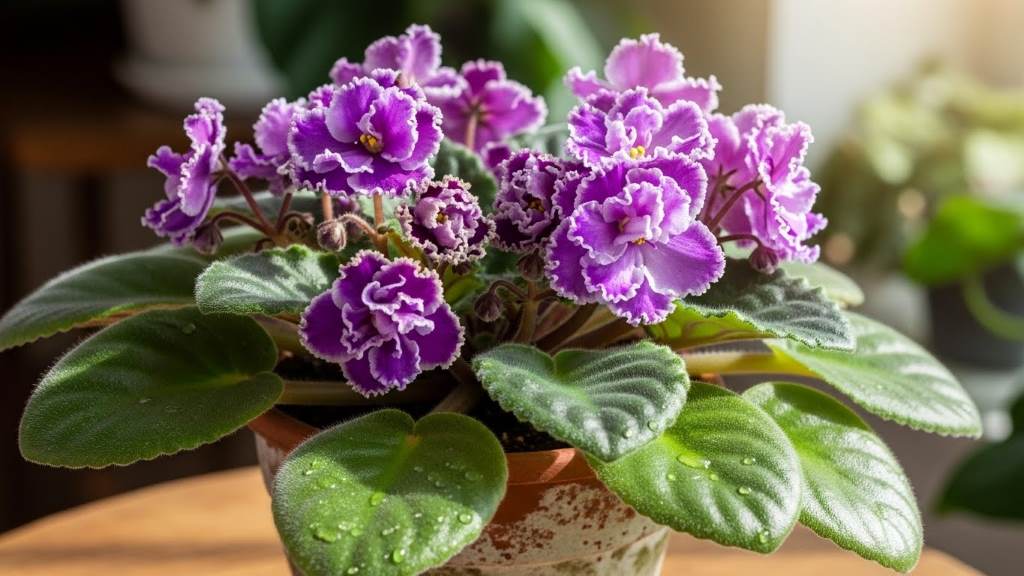
Furthermore, insufficient light triggers bud blast. African violets require bright, indirect light for 12-14 hours daily. Too little light stretches leaves and weakens buds. Direct sun scorches them. Pests like cyclamen mites burrow into buds. They cause distortion and drop. Diseases such as Botrytis blight thrive in cool, damp conditions. Penn State Extension warns about poor air circulation aiding fungal spread.
Pests and diseases compound environmental stress. For instance, aphids suck sap from buds. This weakens them further. Soil pH imbalance affects nutrient uptake. Ideal pH sits at 6.0-6.5. Acidic or alkaline soil locks out essentials like phosphorus. Recent studies on light quality, published in MDPI, show how LED colors influence regeneration. Blue light promotes growth, while red aids flowering. Wrong lighting setups disrupt this balance.
How to Diagnose Bud Blast Early
Spotting bud blast starts with close observation. Look at your African violet daily. Check buds for browning tips. Healthy ones feel firm and show color. Affected buds soften and shrink. Leaves might curl if stress spreads.
Next, examine the environment. Measure humidity with a hygrometer. Levels below 40% signal trouble. Feel the soil. It should stay lightly moist, not wet or bone-dry. Use a thermometer to track temperatures. Fluctuations beyond 10°F daily harm buds.
Inspect for pests too. Use a magnifying glass. Tiny mites appear as specks on undersides. Fungal signs include gray mold on buds. Sniff for musty odors indicating rot. Compare your plant to healthy examples online. Resources from the African Violet Society of America provide photo guides.
Document changes over time. Note when buds form and drop. This reveals patterns like seasonal issues. Test soil pH with kits from garden stores. Adjust if needed. Early diagnosis lets you intervene before loss escalates. Gardeners who monitor closely save more plants.
Effective Remedies for Bud Blast
You fix bud blast by targeting causes. Start with humidity adjustment. Place plants on pebble trays filled with water. Evaporation boosts moisture around leaves. Group violets together. They create a microclimate. Use room humidifiers for larger spaces. Aim for 50% humidity consistently.
Then, stabilize temperatures. Move plants away from drafts. Keep them in rooms with even heat. Nighttime drops below 60°F stress buds. Insulate windows if necessary. Virginia Tech suggests using grow lights with timers. This maintains light cycles.
Address watering next. Water from the bottom. Set pots in saucers with room-temperature water. Let soil absorb for 30 minutes. Drain excess to avoid rot. Use distilled water. It reduces salt buildup. Flush soil monthly. Run water through pots until it drains clear. This removes accumulated salts.
For fertilizer issues, switch to balanced formulas. Choose ones labeled for African violets. Dilute to half strength. Apply every two weeks during growth. Stop in winter. If salts build up, repot in fresh mix. African Violet Resource Center recommends alcohol treatment for mites. Dip cotton swabs in 50% diluted rubbing alcohol. Gently wipe affected areas.
Combat pests actively. Isolate infested plants. Spray with neem oil weekly. Follow label instructions. For fungi, improve air flow. Use fans on low settings. Remove dead buds promptly. This stops spread. Prune with sterilized scissors. Disinfect tools between cuts.
Incorporate light remedies. Provide filtered sunlight. East-facing windows work best. Supplement with fluorescent bulbs. Keep them 12 inches above plants. Recent MDPI research shows LED lights enhance recovery. Blue-red combinations speed regeneration. Monitor progress weekly. New buds signal success.
Follow these steps in order:
- Assess and remove damaged buds carefully.
- Adjust humidity and temperature immediately.
- Correct watering and fertilizing habits.
- Treat pests or diseases as needed.
- Optimize light exposure for recovery.
Patience pays off. Plants recover in 4-6 weeks with consistent care.
Preventing Future Bud Blasts
Prevention beats cure every time. Establish routines early. Maintain humidity year-round. Use trays or humidifiers proactively. Monitor with devices.
Choose right soil mixes. Opt for well-draining, peat-based ones. They prevent waterlogging. Repot annually. Fresh soil avoids nutrient imbalances.
Fertilize wisely. Use low-phosphorus options. High phosphorus burns leaves, per Facebook gardening groups. Stick to schedules.
Ensure proper light. Rotate plants weekly. This promotes even growth. Avoid sudden changes. Gradual adjustments help.
Promote air circulation. Space plants apart. Fans prevent stagnant air. Clean leaves gently. Dust blocks light absorption.
Quarantine new plants. Check for pests before introducing. This protects your collection. Regular inspections catch issues early.
Incorporate natural boosts. Add worm castings to soil. They improve health without chemicals. Studies from Texas A&M show benefits for houseplants.
Build resilience. Propagate healthy leaves. Grow backups. This ensures continuity. Join communities like AVSA for tips.
Related:
Unleashing the Spectrum: Your Guide to Growing Dazzling Rainbow Plumeria
Understanding 20-10-10 Fertilizer: Your Guide to Healthier Plants
Advanced Care Tips from Experts
Experts share deeper insights. Hybrid varieties resist bud blast better. Select ones bred for home conditions.
Experiment with wick watering. Pots with wicks draw water steadily. This maintains even moisture.
Use activated charcoal in trays. It purifies water, reducing impurities.
Track growth with journals. Note humidity, temperature, and blooms. Patterns guide improvements.
Incorporate mycorrhizal fungi. These symbionts enhance root uptake. Research supports their role in stress resistance.
Explore LED grow lights. Customize spectra. Blue for leaves, red for flowers.
Attend workshops. AVSA offers virtual sessions. Learn from pros.
Hybridize your own. Cross-pollinate for custom traits. This adds fun.
Stay updated. Follow extension services. They release new findings.
These tips elevate your skills. Your violets reward you with constant blooms.
Conclusion
Bud blast frustrates, but remedies exist. Address humidity, temperature, watering, and light. Prevent with routines and monitoring. Your African violets can bloom vibrantly again. Take action today. Inspect your plants now and apply these tips for healthier growth.
FAQs
What Does Bud Blast Look Like in African Violets?
Bud blast shows as shriveled, brown buds that drop off. They dry before opening. Leaves may remain green initially.
Can Overfertilizing Cause Bud Blast?
Yes, excess fertilizer builds salts in soil. This stresses roots and halts bud development. Use diluted, balanced feeds sparingly.
How Long Does Recovery from Bud Blast Take?
Recovery typically spans 4-6 weeks. Consistent care speeds it up. New buds form once conditions improve.
Are Certain African Violet Varieties More Prone to Bud Blast?
Some older varieties suffer more. Hybrids bred for resilience handle stress better. Choose modern ones for easier care.
Should I Remove Affected Buds Immediately?
Absolutely, prune them right away. This prevents energy waste and disease spread. Use clean tools always.
References




Leave a Reply