
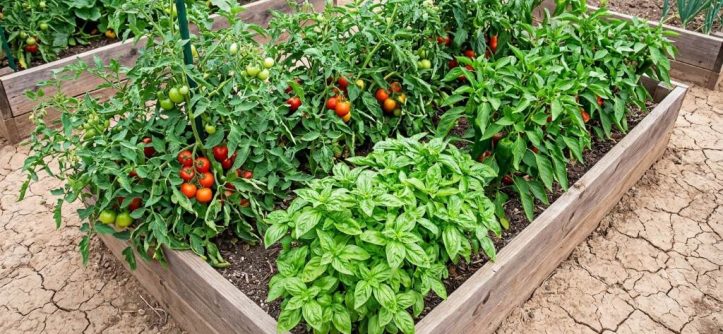
Vegetable gardening remains one of the most popular outdoor activities in Sacramento, CA. According to gardening industry reports, more than 35% of American households grow some type of food at home. Additionally, healthy soil can lose a significant portion of its available nutrients when excess water moves through the root zone. Understanding why vegetable gardens in Sacramento, CA lose nutrients after heavy watering helps gardeners protect harvest quality and improve soil health. Many gardeners also support plant growth with all purpose plant food for vegetables, but preserving existing nutrients remains equally important.
Understanding Nutrient Loss in Sacramento Vegetable Gardens
Nutrients support every stage of vegetable growth. Plants need nitrogen, phosphorus, potassium, and several micronutrients to produce healthy leaves and fruits. However, heavy watering can move these nutrients away from plant roots. As a result, vegetables may struggle even when the soil initially contains enough fertility.
Sacramento experiences long, dry summers and occasional periods of intense watering. Many gardeners compensate for heat by watering deeply and frequently. Although this approach can prevent drought stress, it may create nutrient imbalances. Consequently, plants receive less nutrition than expected.
The region’s soil conditions also influence nutrient retention. Some areas contain sandy soils that drain quickly. Other locations have clay-heavy soils that create different challenges. Therefore, nutrient movement varies from one garden to another.
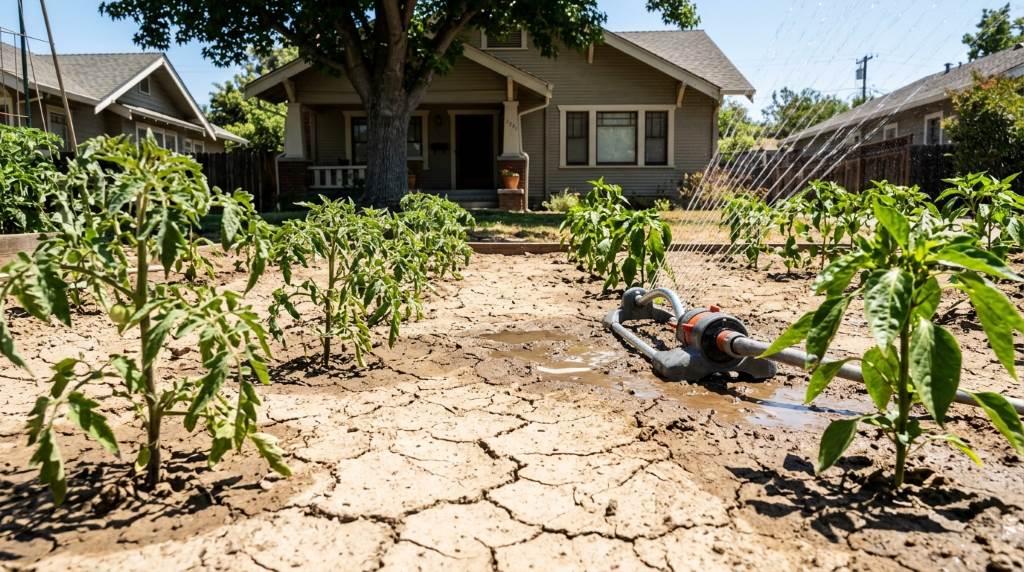
How Heavy Watering Causes Nutrient Leaching
Nutrient leaching occurs when water carries dissolved nutrients below the root zone. Once nutrients move too deep, vegetable roots cannot access them effectively. This process commonly affects nitrogen because it dissolves easily in water. Consequently, plant growth may slow down after excessive irrigation.
Gardeners often assume more water equals healthier plants. However, water that exceeds root-zone capacity creates waste. Excess moisture pushes valuable nutrients downward through the soil profile. As a result, fertilizers become less effective.
Young vegetable seedlings face even greater risks. Their root systems remain shallow during early development. Therefore, nutrients that move only a few inches downward may become unavailable. This situation often leads to pale leaves and reduced vigor.
Why Sacramento’s Climate Makes the Problem Worse
Sacramento’s Mediterranean climate creates unique gardening conditions. Summers regularly bring temperatures above 90°F. Because of this heat, gardeners often water more than necessary. Excess irrigation gradually increases nutrient loss throughout the growing season.
During rare but intense rainfall events, gardens can experience sudden nutrient depletion. Large amounts of water move through soil within a short period. Therefore, nutrients wash away faster than plants can absorb them. Vegetable beds often show signs of stress afterward.
Seasonal temperature swings also affect nutrient cycling. Warm soil speeds up microbial activity and nutrient conversion. However, heavy watering can interrupt these natural processes. Consequently, nutrient availability becomes less predictable.
The Most Common Nutrients Lost After Heavy Watering
Nitrogen
Nitrogen ranks among the most vulnerable nutrients. Water dissolves nitrate forms of nitrogen easily. Therefore, excessive watering often removes this essential nutrient from the root zone. Plants typically respond with yellowing leaves and slower growth.
Potassium
Potassium supports fruit development and overall plant strength. While it does not leach as rapidly as nitrogen, prolonged watering can still reduce availability. Consequently, vegetables may produce lower yields. Fruit quality can also decline.
Sulfur and Micronutrients
Sulfur, boron, and other trace elements may move through soil under wet conditions. Although plants require smaller amounts, deficiencies still affect performance. Therefore, maintaining balanced nutrient levels remains important. Healthy vegetables depend on complete nutrition.
Hidden Soil Structure Damage From Overwatering
Many gardeners focus only on nutrient loss. However, heavy watering can also damage soil structure. Compacted or degraded soil reduces oxygen availability around roots. As a result, plants struggle to absorb nutrients efficiently.
Beneficial soil organisms also suffer in waterlogged conditions. Earthworms and helpful microbes require oxygen to survive. When excess water fills soil pores, biological activity decreases. Consequently, nutrient cycling slows down.
This issue becomes especially important in raised beds. While raised beds drain better than ground-level gardens, repeated overwatering can still create structural problems. Therefore, watering schedules should match plant needs rather than fixed routines.
An Overlooked Factor: Nutrient Stratification in Sacramento Gardens
One rarely discussed issue involves nutrient stratification. This process occurs when nutrients accumulate unevenly at different soil depths. Heavy watering accelerates the movement of some nutrients while leaving others near the surface. Consequently, plants encounter inconsistent nutrient availability.
In Sacramento gardens, repeated irrigation can create distinct nutrient layers. Surface nutrients may disappear while deeper zones become overloaded. Therefore, roots must grow into specific areas to access nutrition. Many vegetables cannot adapt quickly enough.
This hidden imbalance often explains poor growth despite regular fertilization. Gardeners may add more fertilizer without realizing distribution has become uneven. As a result, nutrient efficiency continues to decline. Soil testing helps identify these problems before they worsen.
Signs Your Garden Is Losing Nutrients
- Yellowing leaves on healthy-looking plants
- Slow growth despite regular watering
- Reduced fruit production
- Poor flavor in harvested vegetables
- Weak stems and foliage
- Increased fertilizer requirements
Recognizing these symptoms early allows gardeners to respond quickly. Otherwise, nutrient deficiencies may spread throughout the garden. Regular observation helps prevent long-term productivity losses. Healthy plants usually reveal problems before harvest time.
Practical Ways to Prevent Nutrient Loss
Use Mulch Effectively
Mulch helps regulate soil moisture and reduces evaporation. As a result, gardeners water less frequently. Organic mulch also contributes nutrients as it breaks down. Therefore, soil fertility improves over time.
Water Deeply but Less Often
Strategic watering encourages stronger root development. Instead of daily shallow irrigation, apply water only when needed. Consequently, roots grow deeper and become more resilient. Nutrient retention also improves.
Add Compost Regularly
Compost increases soil organic matter and improves nutrient-holding capacity. It acts like a sponge that retains both moisture and fertility. Therefore, fewer nutrients wash away during irrigation. Plants benefit from a steady nutrient supply.
Gardeners interested in container growing can apply similar moisture-control methods used in decorate terrace container flowers projects. Proper drainage and balanced watering reduce nutrient waste. These principles work well in vegetable containers too. Consistent moisture management remains essential.
Smart Irrigation Strategies for Sacramento Gardens
Drip irrigation offers one of the best solutions for nutrient preservation. Water reaches the root zone slowly and efficiently. Therefore, runoff and deep leaching decrease significantly. Many Sacramento gardeners report improved crop performance after switching.
Morning watering provides another advantage. Cooler temperatures reduce evaporation losses. Consequently, less water is needed throughout the day. Plants also have adequate moisture before afternoon heat arrives.
Successful gardeners often follow methods similar to easy outdoor plant maintenance practices that emphasize observation and efficiency. Monitoring soil moisture prevents unnecessary irrigation. As a result, nutrient retention improves naturally. Better habits often outperform expensive solutions.
The Role of Soil Testing
Soil testing provides valuable information about nutrient levels. It identifies deficiencies before visible symptoms appear. Therefore, gardeners can make targeted corrections. This approach reduces fertilizer waste.
Testing also reveals pH imbalances that affect nutrient uptake. Even nutrient-rich soil may perform poorly when pH levels fall outside the ideal range. Consequently, vegetables cannot absorb available nutrients efficiently. Regular testing supports long-term garden health.
Many Sacramento gardeners test soil annually. This schedule provides enough information to guide seasonal decisions. As a result, nutrient management becomes more precise. Healthy harvests become easier to achieve.
Managing Nearby Trees and Root Competition
Trees near vegetable gardens often compete for water and nutrients. Their roots can extend far beyond the visible canopy. Therefore, vegetables may receive fewer resources than expected. Competition becomes more noticeable after heavy watering events.
Proper tree maintenance reduces some of these challenges. Techniques discussed in how to prune trees guides can help improve garden conditions. Better light penetration supports vegetable growth. Reduced competition often improves nutrient availability.
Gardeners should also consider root barriers when planting near large trees. These barriers limit underground competition. Consequently, vegetable roots access more moisture and nutrients. Strategic planning delivers long-term benefits.
Best Vegetables for Nutrient-Challenged Sacramento Soils
Some vegetables tolerate nutrient fluctuations better than others. Beans, Swiss chard, and kale often perform well under variable conditions. Therefore, they make good choices for gardens recovering from nutrient loss. Their adaptability supports consistent harvests.
Root crops such as carrots and beets can also succeed with proper management. However, gardeners should monitor soil fertility carefully. Consistent nutrition improves root development significantly. Balanced watering remains essential.
Tomatoes, peppers, and cucumbers typically require more nutrient support. Therefore, these crops benefit greatly from compost and regular monitoring. Maintaining stable fertility improves both yield and flavor. Careful irrigation helps maximize results.
Conclusion
Understanding why vegetable gardens in Sacramento, CA lose nutrients after heavy watering allows gardeners to make smarter decisions. Excess water often causes nutrient leaching, soil structure problems, and hidden stratification issues. However, proper irrigation, compost use, mulch application, and soil testing can reduce these risks. By managing moisture carefully, gardeners can protect soil fertility and enjoy healthier harvests throughout the growing season. Start evaluating your watering practices today and build a more productive vegetable garden for years to come.
FAQs
Why does heavy watering remove nutrients from soil?
Excess water carries dissolved nutrients below the root zone where plants cannot reach them.
Which nutrient is lost most often after overwatering?
Nitrogen is usually the first nutrient lost because it dissolves easily in water.
Does mulch help prevent nutrient loss?
Yes, mulch reduces evaporation and helps maintain stable soil moisture levels.
How often should Sacramento gardeners test their soil?
Most gardeners benefit from soil testing once per year.
Is drip irrigation better for nutrient retention?
Yes, drip irrigation delivers water slowly and reduces nutrient leaching.



Leave a Reply