
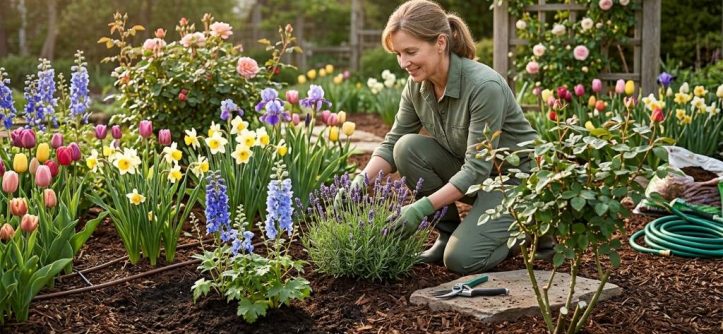
Spring in Austin brings a burst of color, with over 70% of local gardeners reporting improved bloom quality when they follow seasonal care routines. However, many still struggle to maintain vibrant flowers due to heat swings and unpredictable rainfall. Knowing the right techniques can make a noticeable difference in plant health and longevity. For example, understanding basics like how to deadhead hyacinth flowers helps extend bloom cycles even in challenging climates. With Austin’s unique mix of humidity and sun exposure, tailored care strategies matter more than generic advice. This guide breaks down practical, location-specific steps to help your spring flowers thrive.
Understanding Austin’s Spring Climate
Austin’s spring climate creates both opportunities and challenges for gardeners. Temperatures often range between 60°F and 85°F, which supports rapid plant growth. However, sudden heat spikes can stress delicate blooms if not managed early. Rainfall tends to be inconsistent, so relying only on natural watering is risky. Gardeners must adjust their care routines based on these fluctuations. Therefore, understanding local weather patterns becomes the foundation for healthier blooms.
The region’s soil composition also plays a major role in flower care. Austin soil often contains a mix of clay and limestone, which affects drainage and nutrient absorption. Poor drainage can lead to root rot, especially during rainy weeks. On the other hand, dry spells can harden the soil quickly. Adding organic matter improves both moisture retention and aeration. As a result, plants grow stronger and produce more consistent blooms.
Choosing the Right Spring Flowers
Native and Adapted Plants
Selecting flowers suited to Austin’s environment increases success rates significantly. Native plants like bluebonnets and Indian paintbrush thrive with minimal intervention. These species already adapt to local temperature and soil conditions. As a result, they require less watering and fertilization. Gardeners can enjoy vibrant blooms without constant maintenance. Therefore, prioritizing native varieties simplifies the entire care process.
Adapted plants also perform well when chosen carefully. Marigolds, zinnias, and petunias tolerate Austin’s heat and sun exposure. These flowers offer long blooming periods and bright colors. Additionally, they resist common pests better than more delicate species. Choosing resilient plants reduces the need for chemical treatments. Consequently, your garden stays both healthy and eco-friendly.
Seasonal Planting Timing
Timing directly affects how well flowers establish themselves. Planting too early exposes young plants to unexpected cold snaps. Conversely, planting too late reduces bloom duration due to rising temperatures. The ideal window in Austin usually falls between late February and early April. During this period, soil temperatures remain stable. Therefore, roots develop faster and support stronger growth.
Starting seeds indoors can give plants a head start. This method allows better control over temperature and moisture. Once outdoor conditions stabilize, you can transplant them safely. Additionally, hardened seedlings adapt more easily to environmental changes. As a result, they produce blooms sooner and last longer.
Soil Preparation for Healthier Blooms
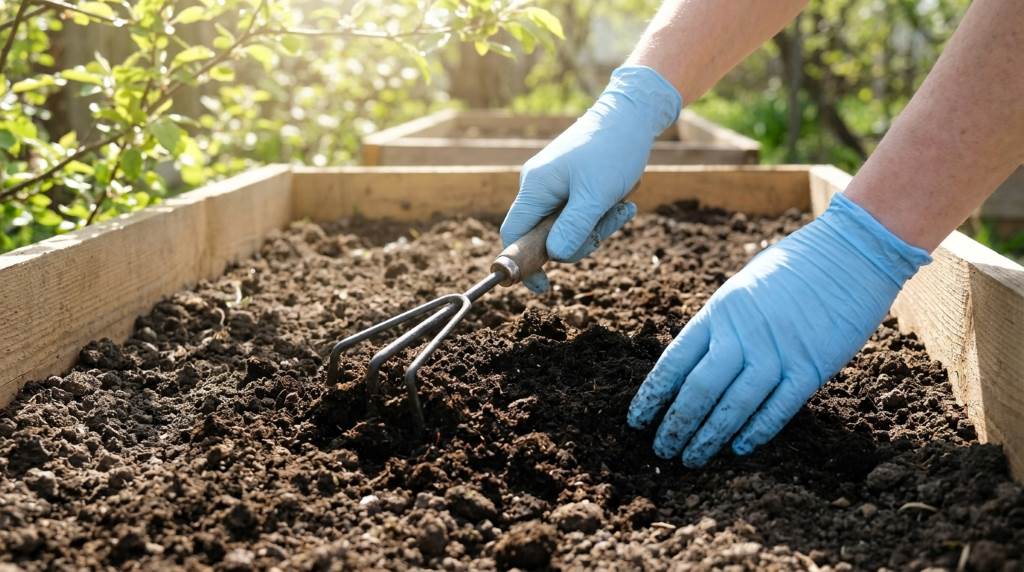
Healthy soil acts as the backbone of any successful garden. Before planting, testing soil pH helps determine nutrient availability. Most spring flowers prefer slightly acidic to neutral soil. If needed, adding compost balances pH naturally. This step improves nutrient absorption and supports root development. Consequently, plants grow more vigorously.
Incorporating organic matter enhances soil structure significantly. Compost, aged manure, and leaf mulch improve drainage and moisture retention. These materials also introduce beneficial microbes. As a result, soil becomes more fertile over time. Gardeners notice stronger stems and more abundant blooms. Therefore, investing in soil preparation pays long-term dividends.
Watering Techniques for Austin Gardens
Watering correctly remains one of the most critical aspects of flower care. Austin’s climate often alternates between dry and humid conditions. Overwatering can suffocate roots, while underwatering causes wilting. Therefore, maintaining a balanced schedule is essential. Deep watering encourages roots to grow deeper into the soil. This makes plants more resilient during heat waves.
Morning watering works best for most spring flowers. It allows moisture to reach roots before the sun evaporates it. Additionally, leaves dry quickly, reducing the risk of fungal diseases. Drip irrigation systems provide consistent moisture without waste. As a result, plants receive just the right amount of water. This method also saves time and effort for gardeners.
Sunlight Management
Sunlight plays a major role in bloom quality and color intensity. Most spring flowers need at least six hours of direct sunlight daily. However, Austin’s strong afternoon sun can sometimes be too intense. Providing partial shade during peak hours protects delicate plants. This prevents leaf burn and dehydration. Consequently, flowers maintain their vibrant appearance.
Positioning plants strategically improves sunlight exposure. Taller plants can provide shade for smaller, sensitive species. Additionally, using garden structures like trellises helps control light distribution. This approach ensures all plants receive adequate sunlight. As a result, your garden looks balanced and healthy.
Fertilizing for Optimal Growth
Proper fertilization supports continuous blooming throughout spring. Using a balanced fertilizer provides essential nutrients like nitrogen, phosphorus, and potassium. Applying fertilizer every few weeks maintains steady growth. However, over-fertilizing can harm plants and reduce bloom quality. Therefore, following recommended guidelines is important.
Organic fertilizers offer a safer alternative for long-term soil health. Compost tea and fish emulsion provide nutrients gradually. These options also improve microbial activity in the soil. As a result, plants absorb nutrients more efficiently. Consequently, flowers grow stronger and produce brighter blooms.
Mulching Benefits
Mulching helps regulate soil temperature and moisture levels. In Austin’s fluctuating climate, this becomes especially important. Organic mulch like bark or straw reduces water evaporation. It also prevents weeds from competing with flowers. As a result, plants receive more nutrients and grow better.
Applying mulch also improves soil structure over time. As it decomposes, it adds organic matter to the soil. This enhances fertility and supports beneficial organisms. Consequently, your garden becomes more sustainable. Mulching remains one of the simplest yet most effective care techniques.
Pest and Disease Control
Common Pests in Austin
Spring gardens often attract pests like aphids, spider mites, and caterpillars. These insects can damage leaves and reduce bloom quality. Regular inspection helps catch infestations early. Removing pests manually or using natural sprays works effectively. Therefore, early action prevents larger problems.
Introducing beneficial insects provides natural pest control. Ladybugs and lacewings feed on harmful pests. This reduces the need for chemical pesticides. As a result, your garden remains environmentally friendly. Additionally, plants stay healthier without exposure to harsh chemicals.
Preventing Diseases
Fungal diseases often develop in humid conditions. Proper spacing between plants improves air circulation. This reduces moisture buildup on leaves. Watering at the base instead of overhead also helps prevent disease. Consequently, plants remain strong and resilient.
Using disease-resistant plant varieties adds another layer of protection. These plants withstand common infections better than others. As a result, gardeners spend less time managing issues. Prevention always proves easier than treatment.
Pruning and Deadheading Techniques
Pruning encourages new growth and improves plant shape. Removing dead or damaged branches allows plants to focus energy on healthy parts. This results in stronger stems and better blooms. Regular pruning also improves air circulation. Consequently, plants remain less susceptible to diseases.
Deadheading extends the blooming period significantly. By removing spent flowers, plants redirect energy toward new blooms. This keeps your garden looking fresh and vibrant. Additionally, it prevents seed formation that can slow growth. Therefore, consistent deadheading becomes essential for continuous flowering.
Managing Temperature Fluctuations
Austin’s spring often brings sudden temperature changes. Protecting plants during unexpected cold snaps is important. Covering them with cloth or plastic helps retain warmth. Removing covers during the day prevents overheating. As a result, plants remain stable despite fluctuations.
Heat waves require different strategies. Providing shade and increasing watering frequency helps plants cope. Mulching also reduces soil temperature. Consequently, roots stay cool and healthy. Managing temperature ensures consistent growth throughout the season.
Container Gardening Tips
Container gardening offers flexibility and control over growing conditions. Using high-quality potting soil ensures proper drainage and nutrient availability. Containers also allow easy relocation based on sunlight needs. This helps protect plants from extreme weather. As a result, flowers thrive even in limited spaces.
Choosing the right container size is equally important. Larger pots retain moisture better and support root growth. Additionally, ensuring proper drainage prevents waterlogging. Regular watering and fertilization keep container plants healthy. Therefore, container gardening becomes a practical option for many Austin residents.
Related:
Why Do We Give Flowers On Mother’s Day?
Beginner Gardening Tips from Orlando, FL Using Unique Indoor Plants
Seasonal Maintenance Routine
Creating a consistent maintenance routine simplifies flower care. Weekly inspections help identify issues early. Watering, pruning, and fertilizing should follow a regular schedule. This ensures plants receive consistent care. As a result, growth remains steady and predictable.
Keeping a gardening journal helps track progress. Recording planting dates, weather conditions, and results provides valuable insights. Over time, this information improves decision-making. Consequently, gardeners achieve better outcomes each season. Consistency remains key to long-term success.
Encouraging Pollinators
Pollinators play a crucial role in flower health and reproduction. Bees, butterflies, and hummingbirds help transfer pollen between plants. Planting a variety of flowers attracts these beneficial visitors. As a result, your garden becomes more vibrant and productive.
Avoiding chemical pesticides protects pollinator populations. Natural pest control methods work without harming these important creatures. Additionally, providing water sources encourages them to stay. Consequently, your garden supports a balanced ecosystem.
Lawn and Flower Bed Integration
Integrating flower beds with lawns creates a cohesive garden design. Edging helps define spaces and prevents grass from spreading. This reduces competition for nutrients and water. As a result, flowers grow more effectively.
Maintaining healthy grass also benefits nearby plants. Proper mowing and watering keep lawns strong. This reduces the risk of pests spreading to flower beds. Consequently, the entire garden remains balanced and visually appealing.
Common Mistakes to Avoid
Many gardeners make avoidable mistakes that affect bloom quality. Overwatering remains one of the most common issues. It leads to root rot and weak growth. Additionally, planting incompatible species together can cause competition. Therefore, careful planning prevents these problems.
Ignoring soil health also limits plant performance. Without proper nutrients, flowers struggle to thrive. Skipping regular maintenance leads to pest and disease buildup. As a result, gardens lose their vibrancy. Avoiding these mistakes ensures better results.
Conclusion
Healthy spring blooms in Austin require a combination of smart planning and consistent care. By understanding local climate conditions, improving soil quality, and managing water effectively, you can significantly enhance your garden’s performance. Simple practices like pruning, mulching, and choosing the right plants make a noticeable difference over time. Additionally, staying proactive with pest control and seasonal adjustments ensures long-lasting blooms. Start applying these tips today to transform your garden into a vibrant, thriving space. With the right approach, you can enjoy healthier flowers throughout the entire spring season.
FAQs
What are the best flowers for Austin spring gardens?
Native flowers like bluebonnets and adapted varieties like zinnias perform best.
How often should I water spring flowers in Austin?
Water deeply 2–3 times per week depending on weather conditions.
When is the best time to plant spring flowers in Austin?
Late February to early April provides optimal growing conditions.
How can I protect flowers from sudden heat?
Use mulch and provide partial shade during peak afternoon hours.
What is the easiest way to prevent pests naturally?
Introduce beneficial insects like ladybugs and use organic sprays.



Leave a Reply